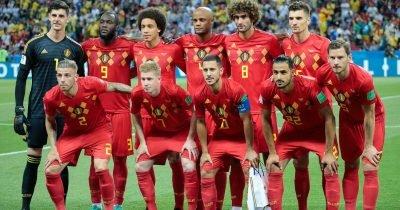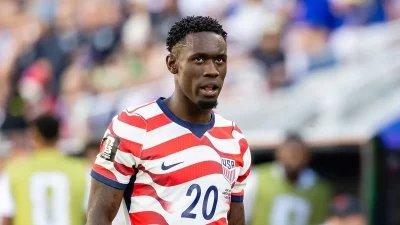
The recent ruling by FIFA's Disciplinary Committee regarding the eligibility of US striker Folarin Balogun to participate in the 2026 World Cup round of 16 has ignited heated discussions. Belgium’s attempt to challenge Balogun’s eligibility was dismissed as "inadmissible," suggesting a complex web of political maneuvering rather than a straightforward application of FIFA rules.
Why This Matters for Stakeholders
This decision is not solely a matter of sports governance; it illustrates the intersection of politics and sports. Such instances can set alarming precedents where political influence dictates outcomes, jeopardizing the integrity of sporting events. A few key points encapsulate the gravity of the situation:
- The ruling allows Balogun to play despite having received a red card, under a one-year probationary period.
- Belgium’s formal appeal against the decision was outright rejected by FIFA, raising questions about fairness and due process.
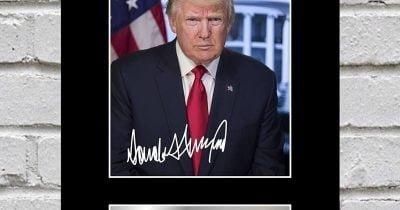
- US President Donald Trump’s reported intervention further complicates the narrative, hinting at external pressures impacting FIFA's decisions.
In the context of the 2026 World Cup, which will be co-hosted by the US, Canada, and Mexico, Balogun's availability holds significant commercial implications. The US team’s presence in Seattle adds layers of financial considerations and viewer engagement, tying sports outcomes to broader economic factors.
The Broader Implications for Global Sports
The ruling has already prompted frustrations among European stakeholders, who are expressing concern that such precedence could undermine fair competition. The integrity of sporting institutions hangs in the balance when political interests interfere with governance processes. As FIFA faces scrutiny, the situation unfolds against a backdrop familiar to those in the worlds of finance and crypto markets, where external influences and political games often sway outcomes.
What to Watch Moving Forward
It will be crucial to monitor how Belgium responds to this ruling, as they may attempt to leverage the influence of US Soccer or explore other avenues for contesting the decision. Additionally, the World Cup's progression and any further controversies surrounding player eligibility can offer insights into shifting dynamics in sports governance. The key question remains whether FIFA will uphold its disciplinary standards or yield to external pressures in the face of commercial interests.
This material is for informational purposes only and does not constitute financial advice.