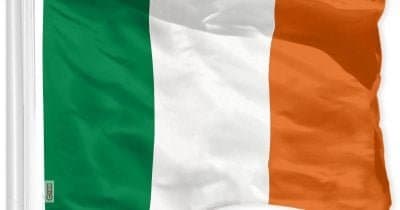
Irish President Catherine Connolly has signed into law a bill that prohibits imports originating from Israeli settlements located within the occupied Palestinian territories. This legislative step targets products from the West Bank and East Jerusalem, aiming to curb economic ties with the settlements considered illegal under international law. The new law reflects Ireland's ongoing strategy to apply economic pressure on Israel amid the long-standing conflict.
Details of the Legislation and Immediate Impact
The Israeli Settlements in the Occupied Palestinian Territory Bill 2026 was approved by Ireland’s parliament earlier this month before receiving the president’s signature. It restricts trade specifically from settlements, effectively blocking the entry of such goods into the Irish market. The Palestinian Foreign Ministry welcomed this development, describing it as a strong signal of international solidarity.
Market observers have noted shifts in prediction markets following the bill’s passage. These shifts suggest an increased chance that other nations, including key players like the US, Italy, and the Netherlands, might adopt similar stances or recognize Palestine formally before 2027. Ireland's move could serve as a catalyst, influencing foreign policy decisions and diplomatic approaches within Europe and beyond.
Reactions and Wider Diplomatic Consequences
The Palestinian foreign affairs officials expressed hope that Ireland’s example would inspire other countries to enact comparable measures, intensifying global pressure on Israeli settlement policies. This has stirred discussions around possible shifts in international alignment, particularly within the European Union and among Western governments.
Meanwhile, analysts are keeping an eye on how the United States under President Biden responds, given its significant role in Middle Eastern affairs. Future statements from the EU and international organizations such as the United Nations and the Arab League are expected to influence the unfolding diplomatic landscape.
This legislative action comes amid a complex geopolitical environment, where economic sanctions and trade restrictions intersect with broader recognition debates. Ireland’s bold stance might reshape dynamics as more governments weigh their policies related to the Israeli-Palestinian conflict.