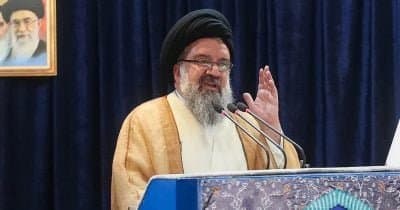
A top Iranian cleric has publicly dismissed the possibility of negotiations with the United States, citing no change in American behavior as the main obstacle. This stern message arrives despite ongoing fragile ceasefire efforts and indirect talks coordinated by countries such as Qatar and Pakistan.
Hardline Stance Amid Tense Ceasefire
The cleric’s refusal underlines a hardened position in Tehran, especially on critical issues like sanctions, nuclear restrictions, and U.S. military presence. Iranian officials have repeatedly used such public declarations to signal a reluctance to soften demands or engage in meaningful concessions. Analysts see this as part of a broader pattern where Iran’s leadership opts for firm rhetoric over compromise, potentially stalling any diplomatic progress.
Market Impact and Diplomatic Implications
Following the statement, market expectations for a US-Iranian agreement involving financial aid for reconstruction have shifted downward. Investors and diplomats alike are recalibrating hopes as the perceived likelihood of a breakthrough dwindles. This rigidity could complicate the work of mediating nations seeking to maintain dialogue and prevent escalation. The international community watches closely for any changes in rhetoric or action that might reopen channels for negotiation.
What to Monitor Next
Key developments to track include any shifts in Iran’s official tone or amendments in U.S. policy responses. The influence of third-party mediators remains critical. Should Iran signal even a modest change, markets and diplomatic circles will quickly respond. Conversely, additional hardline statements may confirm a prolonged stalemate. This dynamic tension sets the stage for a challenging period ahead in US-Iran relations.