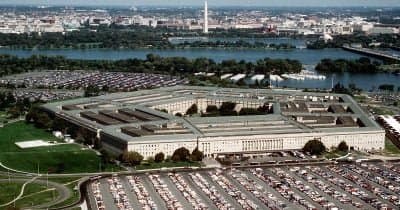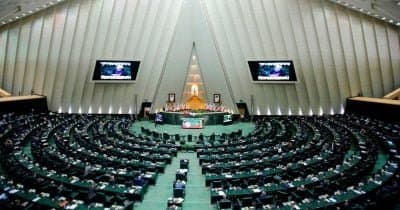
Last week, Iranian forces launched ballistic missiles targeting U.S. military sites in the Strait of Hormuz region, escalating tensions that were already running high after diplomatic talks faltered. Simultaneously, Iran seized several oil tankers passing through this critical waterway, signaling a more aggressive stance towards maritime traffic and international pressures.
The missile strikes weren’t just symbolic; they hit operational bases used by U.S. forces, complicating any hopes for easing hostilities. The Strait of Hormuz, responsible for a significant portion of the world’s oil shipments, has seen interruptions in its flow, raising alarm among global markets and governments alike. Iran’s actions disrupt shipping routes and threaten the fragile ceasefire that was tentatively holding between Tehran and Washington.
This pattern of behavior highlights Tehran’s strategy to exert pressure through military means and control over key maritime channels. The seizure of oil tankers stands out as a deliberate move to impact global energy supply chains, particularly as the world watches the region closely. Analysts warn that further military provocations or diplomatic failures could prolong instability, affecting both regional security and international trade.
Observers are closely watching Iran’s next steps, including any official statements or additional military maneuvers. The international community is bracing for possible responses, including shifts in U.S. military deployments or potential UN Security Council actions aimed at restoring safe passage through the Strait. The situation remains fluid, with market watchers anticipating that normal traffic might not resume before the end of August.
Trump Signals US Military Response to Iran also links to the broader context of heightened U.S.-Iran tensions, underlining the geopolitical stakes involved.
This material is for informational purposes and does not constitute financial advice.