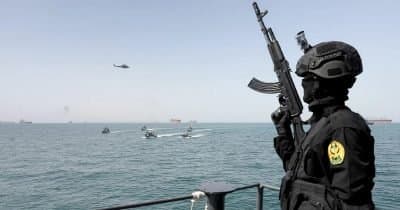
Amid flames and stalled ships around Bandar Abbas, Iran openly rejects any pressure from the US naval blockade, insisting it will not bow to demands for negotiation. The military tensions that have simmered since April escalated sharply when Washington reinstated the blockade in July after fresh attacks targeting Iranian assets.
Blockade's Impact Stretches Beyond Diplomacy
The Strait of Hormuz, through which a significant portion of global oil supply passes, remains paralyzed as Iran’s naval headquarters deal with ongoing fires and disruption. Tehran calls the blockade illegal and warns that it may retaliate by targeting regional maritime routes, potentially worsening energy market volatility. The standstill here is not just a political standoff; it's a dangerous bottleneck with real economic consequences for international shipping and energy prices.
Market Predictions and Political Signals
Financial markets have shown a cautious optimism with the likelihood of the blockade ending by the end of August rising to just over 60%. However, variables remain unpredictable. Key figures like US President Donald Trump and Iran’s Supreme Leader Ali Khamenei have yet to signal any willingness to back down. Meanwhile, the US Central Command’s next moves will heavily influence whether tension escalates or eases in the near future.
The situation demands close attention to official statements and changes in the naval enforcement around the Strait. These developments could foreshadow shifts that may either ease the blockade or drag the region into deeper conflict.
This material provides information and does not constitute financial advice.