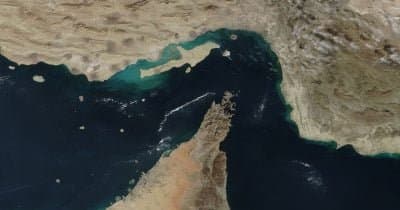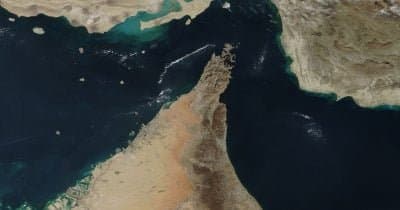
The Strait of Hormuz remains under Tehran’s firm grip after Iran rejected Oman’s idea to share management of this vital shipping corridor. Instead of dividing control equally, Iran proposes overseeing a temporary route for inbound vessels, effectively consolidating authority over inbound traffic and part of the outbound lane. This move tightens Iran’s hold on a chokepoint responsible for about 20% of the world’s oil supply passing through its waters.
Market Impact and Geopolitical Ramifications
The rejection sparked immediate reactions in prediction markets, especially around the likelihood of the U.S. imposing fees on vessels transiting the Strait. These markets now price a diminished chance of U.S. fees being enacted, signaling that Iran’s assertiveness could deter Washington from further escalation there. Likewise, expectations that maritime traffic will return to normal by late August have dropped significantly, as ongoing regional tensions persist without clear resolution.
This development not only strains Iran-Oman relations but also reverberates across the global oil market and broader geopolitics. Maintaining exclusive influence over the Strait gives Iran a strategic lever in negotiations with regional neighbors and international powers. The evolving dynamic echoes previous flare-ups in the region, such as the Iranian missile attack in Jordan that recently rattled oil prices, underscoring how intertwined security and energy supply chains remain.
What Comes Next
Diplomatic talks between Iran and Oman could face greater challenges following this rejection. Monitoring responses from the U.S. is key, as any policy shifts could directly impact maritime operations in the Strait. Key announcements from Iranian and American officials may shed light on potential paths forward, but for now, the Strait of Hormuz remains a hotspot of uncertainty affecting commodity flows and regional stability alike.
This article provides information only and is not financial advice.