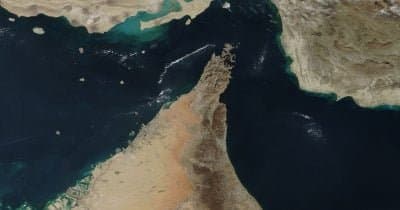
"We've got a framework that works for both countries," said a senior Gulf official who had pegged the odds of reaching agreement by early August at barely 50%. Iran and Oman announced they have settled on how to manage traffic through the Strait of Hormuz, the 21-nautical-mile chokepoint that moves roughly 20 million barrels of oil daily. The arrangement separates vessel flows, routing inbound tankers through Iranian waters and outbound ships through Omani waters, with service fees attached to cover maritime security and environmental oversight. This matters for energy markets everywhere, because anything that disrupts Hormuz ripples through global oil prices instantly.
The diplomatic win comes after months of back-and-forth, with US President Donald Trump publicly signaling support for reopening stable transit. But here's where it gets interesting for crypto: draft versions of the agreement circulating in April 2026 specifically proposed Bitcoin and stablecoins as payment options for transit tolls. Whether those provisions survived the final negotiations remains a mystery. No official confirmation has emerged yet, and sources close to the talks aren't talking. The crypto community is watching because 20 million barrels per day translates to substantial toll volumes. Even if only a fraction get paid in digital assets, that creates consistent, repeatable demand for tokens built into global trade flows.
For traditional energy traders, a formalized fee structure eliminates the chaos that has historically spiked oil prices when tensions flare up around the strait. The upside for crypto is pure speculation at this point. The US government has already signaled skepticism about any toll system denominated in cryptocurrency, viewing it as more than just a technological choice. Geopolitically charged infrastructure rarely gets the neutral treatment. Still, the fact that crypto payments made it into draft agreements at all suggests the conversation around digital assets in cross-border commerce has shifted further into the mainstream than many realized. The real test comes if and when details of the final agreement surface.
This article is informational and does not constitute financial advice. Geopolitical developments affecting energy markets carry inherent uncertainties that impact broader economic conditions.