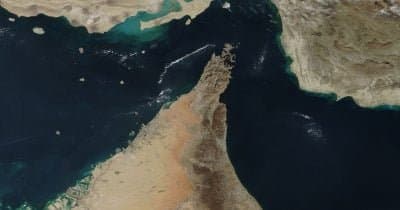
Iran and Oman have reportedly joined forces to negotiate an agreement focused on the Strait of Hormuz, aiming to restart stalled peace talks with the United States. The Wall Street Journal cited by FirstSquawk reveals these efforts are part of broader discussions involving navigational rights and maritime governance around this strategic oil transit chokepoint.
Details on the Hormuz Strait Agreement Efforts
The Strait of Hormuz plays a vital role in global oil transportation but has been a flashpoint due to ongoing conflict and a U.S. blockade of Iranian ports. Iran and Oman’s initiative seeks to move from wartime conditions toward a managed reopening of the strait, facilitating safer navigation and reducing tension. Oman’s role as a regional mediator highlights the diplomatic approach taken to ease hostilities and improve stability in the Gulf.
Market data reflects shifting expectations about the timing of renewed U.S.-Iran talks. Predictive markets now show only a 3.6% chance of a diplomatic meeting by July 31, 2026, down from 8% in the previous 24 hours. However, the odds for a meeting by August 31 have risen sharply to 53.5%, signaling optimism for progress within a slightly longer timeframe.
Reaction and Implications
The reported collaboration between Iran and Oman is seen as a positive sign toward de-escalation in a region fraught with tension. Market participants appear to have adjusted their expectations, reflecting the complexity and uncertainty of diplomatic timelines. Official statements from Iran’s Foreign Ministry or the White House will be key to confirming any definitive progress.
Meanwhile, developments such as shifts in U.S. policy or actions by Israel could still influence outcomes. Oman and other Gulf nations’ persistent diplomatic engagement might prove key in setting the stage for lasting dialogue.