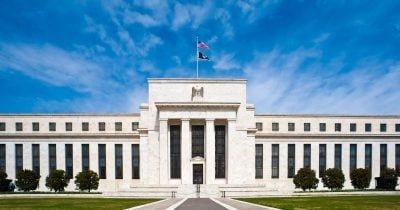
The recent survey conducted by the Federal Reserve Bank of New York reveals a growing concern among Americans regarding inflation, with particular emphasis on rising costs in medical care and housing. This perception of impending inflation is critical as it can greatly influence both consumer behavior and monetary policy decisions moving forward.
Understanding the Significance of Inflation Expectations
The anticipation of increased inflation rates carries profound implications for market stability and individual financial planning. If the survey's predictions come to fruition, we are likely to see substantial adjustments in the U.S. Consumer Price Index (CPI) for June 2026. Increased inflation concerns reflect broader economic conditions that can lead to shifts in Federal Reserve policies.
- Current probability of inflation exceeding 3.6% is on the rise.
- Market predictions suggest an annual inflation rate reaching 3.8% with a 51% probability.
- Consumer anxiety over essential costs like healthcare and rent is driving this sentiment.
Market Reactions and Future Watchpoints
The financial markets are responding to these inflation expectations, with evidence showing a notable decrease in the likelihood of inflation remaining at or below 3.6%. The upcoming CPI release by the Bureau of Labor Statistics on July 14, 2026, will be crucial for validating these expectations and guiding market reactions. Furthermore, developments in key sectors such as energy and real estate could further influence inflation forecasts and investor sentiment.
Investors should remain vigilant as historical patterns suggest that rising inflation fears often lead to increased volatility in markets. Adjustments by economic forecasters in response to changing inflation dynamics could signify broader shifts in market narratives.
What to Monitor Going Forward
As we approach the July 14 CPI release, market participants should keep an eye on economic indicators that could impact inflation forecasts. Additionally, any significant changes in the healthcare and housing markets could also alter the inflation landscape. Understanding these trends will be essential for making informed investment decisions in an evolving economic environment.
This material is for informational purposes only and is not intended as financial advice.