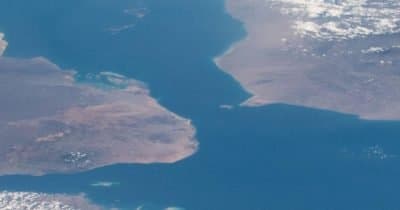
Iran's recent order to the Houthi rebels to consider closing the Bab el-Mandeb Strait marks a significant escalation in regional tensions, particularly in light of potential U.S. military actions targeting Iran's power infrastructure. This strategic maneuver shows Tehran’s readiness to use critical maritime chokepoints to exert pressure on its adversaries.
Strategic Significance of Bab el-Mandeb
The Bab el-Mandeb Strait serves as a vital conduit for global oil transportation, facilitating the passage of approximately 30% of the world’s crude oil. A closure here, alongside the already-closed Strait of Hormuz, would amplify disruptions in oil supply lines and lead to a spike in global oil prices. Observers are increasingly worried that this dual blockade could trigger a significant economic fallout, impacting not just oil markets but the broader global economy.
Market Reactions and Future Projections
Market participants are already responding to the likelihood of heightened Houthi activity in the region, as reflected by fluctuations in oil pricing. The anticipation of missile and drone attacks on shipping may lead to increased insurance costs for vessels operating in the Red Sea, further straining global oil supply chains. The interdependence of geopolitical events and market dynamics cannot be overstated, as investors recalibrate their strategies in the face of these developments.
The coming days will be crucial for monitoring the situation, particularly any movements by Houthi forces and statements from Iranian military leaders. The U.S. response to Iran's instructions will also play a key role in shaping the geopolitical landscape. Investors and market analysts should keep a close eye on official communications and real-time maritime traffic reports, as these will provide critical insights into the evolving scenario and its potential impact on oil markets.
This article is for informational purposes only and should not be considered financial advice.