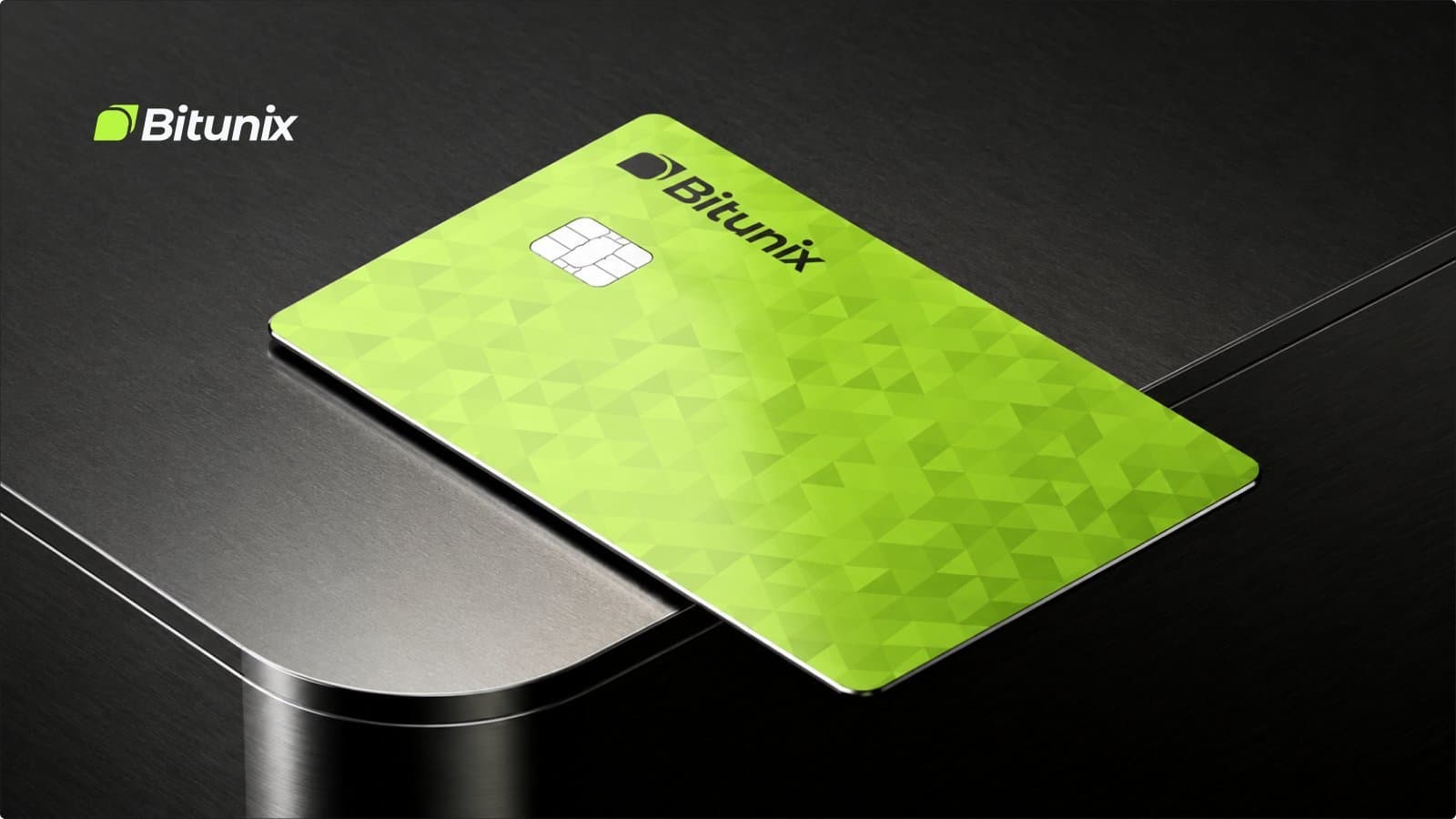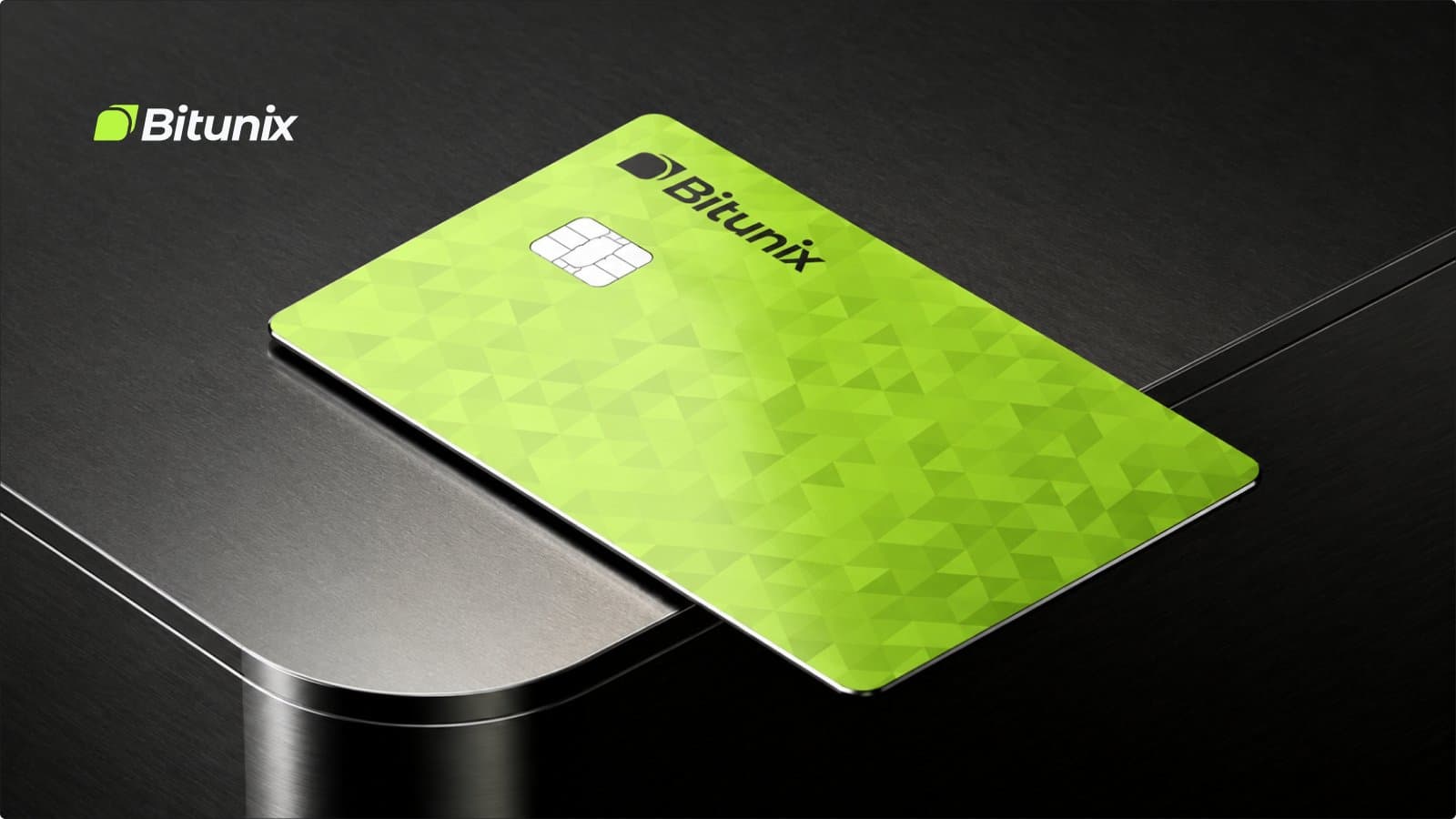
The recent launch of the Bitunix Card marks a significant advancement in the practical integration of cryptocurrency into everyday spending. By offering a Visa debit card that allows users to make purchases at over 130 million merchants worldwide, Bitunix is positioning itself at the forefront of a growing trend towards merging digital assets with traditional finance.
smooth Integration of Crypto and Daily Transactions
Bitunix’s initiative reflects a notable shift in consumer expectations regarding cryptocurrency products. Users can now spend their USDT effortlessly, similar to conventional fiat payment methods. This is crucial for increasing the daily use of cryptocurrencies, as the card supports transactions with popular services like Uber, Amazon, and Netflix. The ability to earn up to 8% cashback on eligible purchases further incentivizes users to adopt this payment method.
Moreover, the Bitunix Card’s compatibility with major digital wallets such as Apple Pay and Google Pay enhances its utility, allowing for easier integration into consumers' existing financial ecosystems. This feature not only simplifies user experience but also encourages broader adoption among those who may be hesitant about fully transitioning to cryptocurrency.
Potential Market Implications
The Bitunix Card also offers a unique yield-earning mechanism, enabling users to earn up to 11.6% annually on eligible balances. This innovation could attract more users who are looking for ways to make their idle assets work for them, especially in a market where traditional savings accounts offer minimal returns. The absence of issuance and monthly maintenance fees lowers the barrier to entry, making it accessible to a wider audience.
As the space evolves, products like the Bitunix Card could reshape consumer behavior towards digital currencies. If successful, this card could pave the way for other exchanges to develop similar offerings, further blurring the lines between fiat and cryptocurrency. The implications for the market are significant; increased adoption of crypto for everyday spending could lead to higher transaction volumes and a more stable demand for digital assets.
This article is for informational purposes only and is not financial advice.