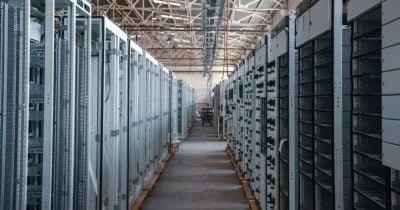
The recent adjustment in Bitcoin's mining difficulty, which has decreased by 5% to 127.17 trillion, is a significant development worth analyzing. This reduction is not merely a numerical shift; rather, it reflects underlying trends in miner participation and operational efficiency across the Bitcoin ecosystem.
Mining difficulty is designed to self-adjust approximately every two weeks, depending on the speed at which blocks were produced in the previous epoch. The current drop from about 133.86 trillion to 127.17 trillion indicates that miners faced challenges in maintaining the expected block production rate. Several factors could contribute to this, including fluctuations in energy costs, equipment maintenance, and overall hash rate participation.
Understanding the Context of Difficulty Adjustments
Each adjustment occurs as a response to the network's performance. If blocks are mined more slowly than anticipated, the protocol automatically lowers the difficulty to encourage miners to remain active. This system is crucial for maintaining the consistency of Bitcoin's block generation, which is targeted at one block every ten minutes.
This recent downturn in mining difficulty may suggest a temporary downturn in hash rate participation, which can be interpreted as a potential decrease in miner profitability, especially for those with older or less efficient hardware. The adjustment, however, can provide much-needed relief for miners who remain operational, enhancing their likelihood of securing block rewards.
Market Reactions and Future Considerations
The implications of this difficulty adjustment extend beyond the mining community. A decrease in difficulty often leads to a more stable and potentially bullish market environment for Bitcoin, as active miners become more incentivized to maintain their operations. This could counteract some of the recent bearish trends observed in Bitcoin prices, including the recent drop below $59,000.
Furthermore, as mining difficulty stabilizes, it could influence the broader market sentiment towards Bitcoin. Increased miner participation often correlates with confidence in the asset's long-term viability. As such, ongoing observation of mining metrics will be crucial for investors looking to gauge market dynamics.
This material is for informational purposes only and should not be considered financial advice.