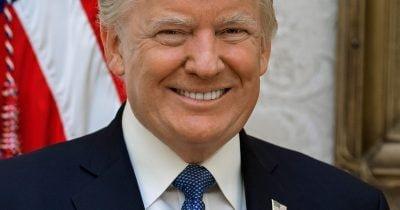
Federal Reserve Governor Christopher Waller, whose current position links back to Donald Trump's presidency, is reiterating his intent to maintain the Federal Reserve's autonomy amid external pressure for lower interest rates. While Waller recognizes the need for rate cuts, his approach emphasizes a measured path driven by economic indicators rather than political demands.
Waller's Advocacy for Cautious Rate Cuts
Waller has emerged as a prominent voice within the Fed, advocating for incremental rate reductions. Since late 2025, he has identified weaknesses in the labor market as a justification for decreasing rates, persistently pushing for reductions of 25 basis points. His dissent in July 2025 showcased a willingness to respond proactively to economic conditions, calling for immediate cuts in the face of evolving labor dynamics.
Waller's analysis of tariffs further illuminates his economic perspective. He frames their inflationary impacts as temporary, challenging the rationale of those advocating for prolonged high rates. Should this view hold, the Fed may maintain a more flexible stance on monetary policy without igniting inflationary pressures.
The Digital Asset Context and Investor Implications
Given Waller's recognition that the initial enthusiasm surrounding cryptocurrencies, particularly Bitcoin, has waned since Trump's election, his comments signal an evolving perception of digital assets within monetary policy circles. Referring to Bitcoin's volatility as “part of the game,” Waller implies a shift in regulatory attitude toward cryptocurrency risks, highlighting a potential openness to innovation despite market fluctuations.
As Waller’s term progresses, particularly with his possible succession of Jerome Powell as Fed Chair in May 2026, this shift could influence investor sentiment significantly. His willingness to address labor market concerns before they escalate into crises positions him as a proactive decision-maker, potentially fostering a climate conducive to both economic stability and growth in the crypto sector if rates are adjusted judiciously.
However, the unpredictability of tariff impacts remains a wildcard. If inflation tied to tariffs proves persistent, a Waller-led Fed could face challenges, finding itself in a delicate balancing act between encouraging economic activity and managing inflationary risks.
Overall, Waller's narrative indicates a transformative phase for central banking perspectives on digital currencies, as the possibility of a head of the Federal Reserve who embraces market volatility could resonate far beyond traditional financial avenues.
This article is for informational purposes only and should not be considered financial advice.