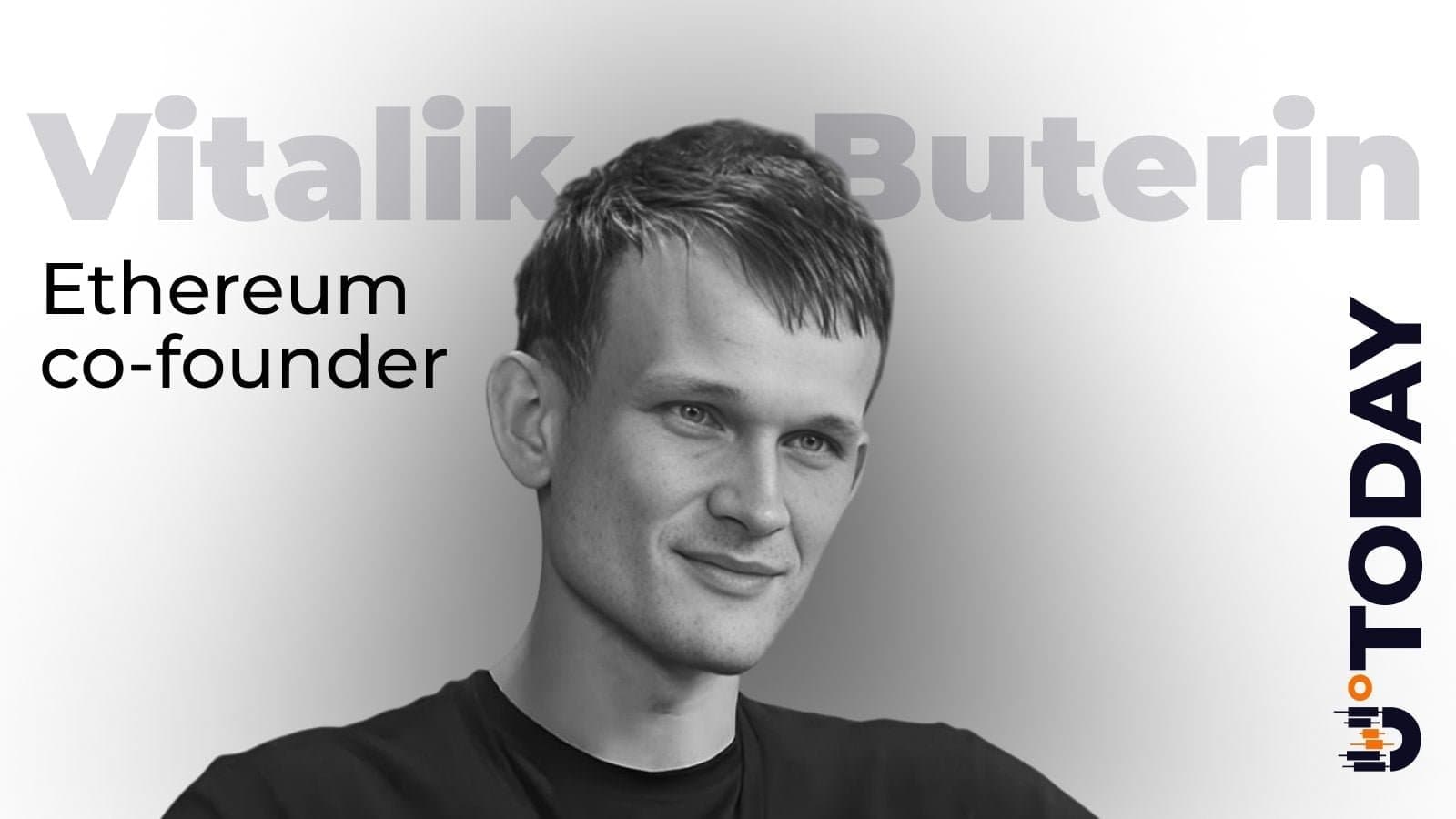
'People are comparing AI to humans in the wrong way,' remarked Vitalik Buterin, signaling a shift in how we evaluate artificial intelligence beyond traditional metrics like intelligence or economic output. The Ethereum co-founder contends that AI's rapid progression is not simply about outperforming humans in isolated tasks, but rather reflects a broader expansion into diverse domains that defy simplistic comparison.
Buterin illustrated this point by invoking historical analogies from the year 1500, noting that early machines like watermills and windmills excelled only in specific physical applications, while humans maintained superiority across most other capabilities. Unlike those early innovations, today's AI systems are evolving at an accelerated rate, continuously accumulating new skills and encroaching on areas once considered uniquely human. The import of this perspective lies in recognizing that AI's advancement is less about a singular intelligence threshold and more about the aggregate growth of competency across multifaceted tasks.
This expansive approach changes the market narrative. Investors and developers within the blockchain and cryptoverse will need to recalibrate expectations and strategies based on AI’s increasing ability to perform tasks previously assumed to require human nuance, from strategic thinking to emotional intelligence. Buterin's views also indirectly underline potential implications for Ethereum’s ecosystem and related decentralized governance models, which are beginning to explore open-source AI governance frameworks. This evolution may influence everything from protocol optimizations to user interactions.
Understanding AI’s trajectory as a continuous broadening of skill sets rather than a one-dimensional intelligence contest offers a strategic lens for assessing technology adoption and risk. Rather than fearing a sudden replacement of human roles, the market should anticipate incremental shifts with complex, layered impacts. For stakeholders, this means an adaptive mindset is key as AI reshapes operational norms and competitive advantages. This insight echoes broader macroeconomic trends impacting crypto risk that we have explored previously, emphasizing the intricate interplay between technological progress and market dynamics.
This article is informational and not financial advice.