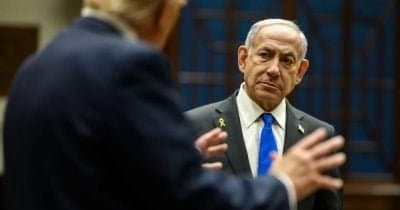
Despite an active International Criminal Court warrant, Israeli Prime Minister Benjamin Netanyahu is poised to visit the United States without fear of arrest. This assurance, delivered by former U.S. President Donald Trump, defies expectations given the ICC's pursuit of Netanyahu and highlights the complex intersection of international law with U.S. domestic policy and geopolitical interests.
Legal Immunity and U.S. Sovereignty
Trump's promise stems from longstanding U.S. federal policies that refuse cooperation with the ICC, rooted in the U.S. not being a party to the Rome Statute. plus presidential orders specifically grant Netanyahu immunity while on U.S. soil, creating a legal shield despite the international warrant. This stance shows the tension between international legal efforts and national sovereignty, illustrating how U.S. policy can effectively nullify ICC actions in practice.
The assurance also clashes with local dynamics, notably with New York City Mayor Zohran Mamdani advocating for enforcing the ICC warrant if Netanyahu attends the UN General Assembly in September. This political friction between federal and municipal levels adds unpredictability to Netanyahu's potential visit and reflects broader challenges in balancing local activism with federal foreign policy.
Market Confidence and Diplomatic Implications
Financial markets have already reacted, pricing in a notably increased probability of a Trump-Netanyahu meeting by July 31, 2026. This shift suggests investor confidence that Trump's assurances will translate into tangible diplomatic engagement. However, the lower pricing of meetings at earlier dates signals lingering uncertainty about immediate developments.
The diplomatic context cannot be overstated. Ongoing tensions in Gaza and the broader Middle East continue to influence expectations. Any diplomatic breakthrough or setback could significantly alter the likelihood of this critical meeting. It also exemplifies how geopolitical factors interplay with political assurances to shape market sentiment.
What Lies Ahead
Observers should closely watch announcements from both the White House and Netanyahu's office regarding official scheduling, as well as developments in Gaza, especially ceasefire efforts. also the clash between Trump's federal assurance and New York's local push for ICC enforcement may produce legal or political maneuvers that could impact market outlook and diplomatic calculus.
This material is informational and should not be taken as financial advice.