The recent US strike on a critical railway bridge in northeastern Iran has significant implications for global trade and financial markets, particularly the cryptocurrency sector. This event marks the first military infrastructure action since the April ceasefire and may signal a shift in geopolitical tensions that reverberate through various asset classes, including digital currencies.
Why This Incident is Significant
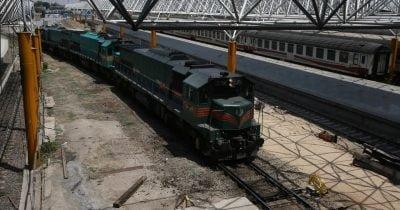
The damage inflicted on the Aq Tekeh Khan Bridge, which connects Iran to major trade partners China and Russia, highlights the fragility of international supply chains. This bridge forms an essential part of the International North-South Transport Corridor (INSTC) and is integral to the Belt and Road Initiative (BRI), providing a vital overland route for goods that circumvents increasingly unpredictable maritime routes.
- The bridge connects Xi’an, China to Tehran in 10 to 15 days.
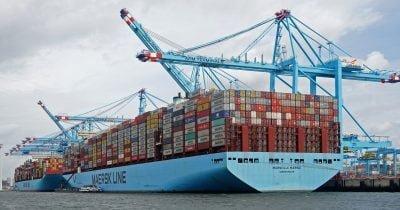
- This strike follows Iranian actions that threatened maritime shipping in the Strait of Hormuz, a key artery for global oil transit.
- Iran's Revolutionary Guard has pledged a strong response, raising the stakes significantly.
The Pentagon has characterized this strike as part of a broader strategy to counter Iranian influence, especially as tensions mount over maritime safety in crucial trade routes. The Iranian response could lead to escalated military activity, which further complicates the global risk landscape.
Market Reactions and Future Implications
The immediate impact on cryptocurrency markets has been characterized by volatility. Historical events such as the targeted killing of Iranian General Qasem Soleimani and Russia's invasion of Ukraine prompted significant market swings. This latest incident could similarly provoke panic selling or, alternatively, might lead to increased interest in Bitcoin as a hedge against geopolitical instability.
A striking correlation emerges when examining investor behavior during prior geopolitical escalations: initial panic often yields to a reconsideration of Bitcoin's status as a store of value. However, sustained Iranian retaliation could lead to a spike in oil prices, strengthen the US dollar, and further pressure risk assets, including cryptocurrencies.
What Investors Should Monitor Moving Forward
The most crucial variable to keep an eye on is Iran’s intended response. The IRGC’s threats of a “crushing” retaliation could drastically alter market dynamics. Should Iran take action against US forces or allies, we might witness:
- A significant increase in crude oil prices.
- A bolstering of the US dollar's value as investors flee to safety.
- Heightened volatility in risk assets like cryptocurrencies.
Moreover, any disruption in the Strait of Hormuz, should Iran act on past threats to close the strait, would have far-reaching implications including soaring energy prices and inflationary pressures that could reshape monetary policy across several nations.
Disclaimer: This material is for informational purposes only and does not constitute financial advice.