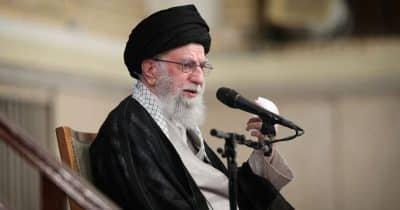
The imminent resumption of negotiations between the United States and Iran in Islamabad on July 11 marks a significant point in the evolving geopolitical landscape of the Middle East. This comes amid heightened tensions following the death of Iran’s Supreme Leader Ali Khamenei, killed in a U.S.-Israeli airstrike earlier this year. These negotiations are aimed at finding a diplomatic resolution to the ongoing Iran War that escalated in February 2026, suggesting that the stakes are high not only for the involved nations but also for global markets.
Market Implications of the Negotiations
Market analysts have responded to the announcement of resumed talks with increased optimism, reflecting a substantial rise in the probability of a successful diplomatic meeting before the end of July. Current market data shows a jump in the likelihood from 58% to an impressive 70% within just 24 hours. Such sentiments often translate directly to market movements, suggesting that renewed talks could stabilize volatility in sectors sensitive to geopolitical issues.
The Role of Pakistan as Mediator
The involvement of Pakistan as a mediator introduces a new dimension to these discussions. Pakistan’s geographic and political positioning within the region could serve as a catalyst for building broader coalitions aimed at peace. As tensions, particularly around the crucial Strait of Hormuz, continue to simmer, effective mediation could reduce risks associated with maritime transit routes vital to global energy supplies.
What Lies Ahead?
Looking forward, the upcoming talks are expected to involve high-profile participants, including U.S. Vice President J.D. Vance and Iran’s Foreign Minister Seyed Abbas Araghchi. The confirmation of a meeting date by Iran's Foreign Ministry will be crucial. It will likely further bolster market expectations for a positive diplomatic outcome. Conversely, any military escalation in the region could jeopardize these efforts. Investors should remain vigilant, closely monitoring any statements from mediators or changes in military posture.
Overall, the potential for a diplomatic breakthrough not only aims to stabilize the region but also offers a glimmer of hope for investors who are sensitive to geopolitical developments that can disrupt market conditions. As seen from recent trends, market sentiment can rapidly shift in response to developments such as these, underlining the interconnectedness of geopolitical stability and economic outcomes.