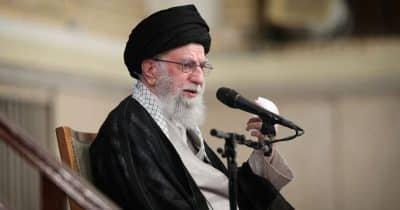
The assassination of Ayatollah Ali Khamenei, the Supreme Leader of Iran, marks a pivotal moment in Iran's political landscape, with the potential to disrupt both national governance and international financial systems. Following his death on February 28, 2026, Iran finds itself in an unprecedented state of political instability. Tenured for over 36 years, Khamenei's leadership was a defining factor in not only Iranian politics but also in shaping the broader dynamics of Middle Eastern geopolitics.
The Context of Assassination
Struck down during what has been termed the 2026 Iran war, Khamenei's assassination not only removed a crucial decision-maker but also killed prominent family members and high-ranking security officials, highlighting vulnerabilities within Iran's leadership. The swift confirmation of his death by state media 24 hours post-strike indicates a chaotic response from a regime under duress.
The Succession Challenge
Succession in Iran is delineated constitutionally, with the Assembly of Experts responsible for appointing the next Supreme Leader. However, Khamenei's intricate influence on Iran's political architecture means that the realignment of power will likely encounter significant challenges. The presence of a power vacuum may result in a struggle among various political factions, each vying to establish the future direction of Iran.
Global Market Implications
Market stakeholders are justifiably concerned about the aftermath of this assassination. Past precedence suggests that Iranian leadership dynamics directly influence economic policies, particularly regarding its already established interactions with cryptocurrency. Historically, Iran has leveraged cryptocurrencies as tools to circumvent economic sanctions, and the successor's stance on this matter could radically differ based on their ideological leanings.
- A hard-liner may opt to amplify crypto usage, a decision likely to attract heightened scrutiny and regulatory pushback from entities like the U.S. Treasury and the European Union.
- Conversely, a more moderate successor might prefer economic reform and integration into the global economy, potentially minimizing reliance on cryptocurrencies.
As the world watches Iran navigate this transitional phase, the broader implications for global markets, particularly in sectors like cryptocurrency and oil, remain to be fully addressed. Observers should remain vigilant regarding any shifts in regulatory frameworks and investor sentiments, as such developments could signal profound changes not just for Iran, but for the economic landscape worldwide.