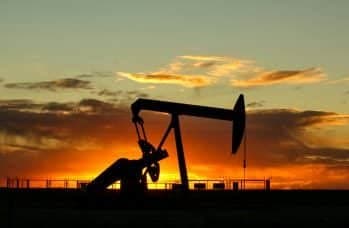
Soybean and corn futures have advanced amid rising crude oil prices driven by escalating US-Iran tensions. The key geopolitical flashpoint lies at the Strait of Hormuz, a vital artery for global oil and fertilizer shipments. Interruptions here have sharply increased energy costs, rippling through agricultural input prices such as diesel fuel and nitrogen fertilizers, which are essential for crop production.
Link Between Geopolitics and Agricultural Commodity Pricing
The ongoing conflict in the Middle East highlights the fragility of supply chains critical to agriculture. Crude oil price volatility is contributing directly to increased costs for farmers and commodity traders. Higher energy prices push up operational expenses, which futures markets interpret as supportive of a bullish outlook on commodities like soybeans and corn that depend heavily on these inputs.
Market participants are pricing in the potential for further escalation and related supply disruptions, making energy-sensitive agricultural commodities particularly responsive to political developments. This dynamic shows how geopolitical instability can translate into tangible pressures on global food supply chains and commodity pricing.
plus major actors in the energy space such as OPEC countries remain influential in setting market expectations. Speculation about crude oil reaching new all-time highs by year-end fuels continued volatility across both energy and agricultural markets.
Brent price dynamics during these tensions have mirrored movements seen in agricultural commodities, linking energy and broader markets. Investors and traders will be watching closely for any shifts in the US-Iran situation, especially actions further complicating navigation through the Strait of Hormuz.
As these supply chain risks persist, commodity futures will likely remain sensitive to global political developments, emphasizing the interconnected nature of energy security and agricultural markets.
This article is informational and does not constitute financial advice.