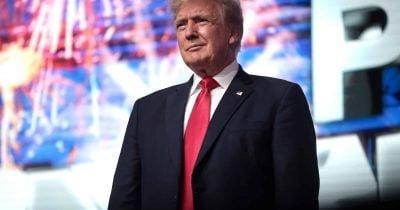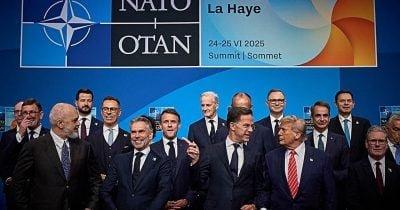
On July 8, President Trump announced a significant shift in defense policy at the NATO summit in Ankara, granting Ukraine a license to produce Patriot missile systems domestically. This unprecedented move not only alters the dynamics of defense supply but also has considerable implications for defense stocks, European military spending, and even the macroeconomic factors influencing crypto sentiment.
Implications of the License Grant
The decision to allow Ukraine to manufacture advanced air defense systems is particularly important as it directly addresses a critical need on the battlefield. With Russia’s intensified military actions since its full-scale invasion, Ukraine has repeatedly requested more Patriot systems to defend against incoming threats. The timeline for acquiring these systems will no longer be dictated by production capacity in the US, as Ukraine can now tap into its own resources. President Zelenskyy had previously confirmed in June 2026 that Ukraine possesses the technical capabilities necessary for this kind of production, a fact that underscores the strategic importance of this licensing agreement.
Expectations for Defense Spending and Market Reactions
This move is likely to trigger a cascade of defense spending both in Ukraine and across NATO countries. Recent discussions among US defense firms have indicated that there is a growing trend toward establishing production agreements within NATO members, particularly in Europe and Ukraine, in response to chronic equipment shortages. The potential implications for defense stocks are considerable:
- Companies like RTX, which manufactures Patriot systems, could see new revenue streams from technology transfer agreements.
- The domestic production capacity could reduce Ukraine’s reliance on finished products from US contractors in the long run.
- Short-term financial gains from licensing could be offset by long-term questions about revenue sustainability.
Therefore, while this licensing may provide immediate financial benefits, it raises essential questions about the sustainability of traditional defense export models.
Future Considerations for Investors and Policymakers
As this policy unfolds, it will be crucial for investors and market watchers to observe how this shift affects the defense supply chain and NATO's collective military readiness. Will other allies seek similar licensing agreements, and how will defense companies adapt to this new environment? Additionally, there are broader implications for international relations and geopolitical stability that could influence market conditions and investor sentiment across sectors, including cryptocurrencies.
This material is for informational purposes only and is not financial advice.