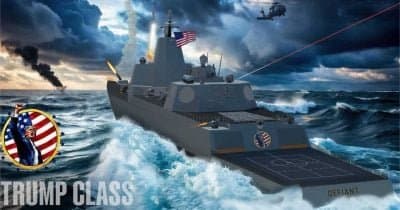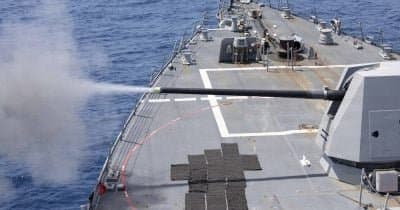
U.S. Central Command (CENTCOM) has significantly ramped up enforcement of the naval blockade against Iran, marking a clear intensification with recent maneuvers: four commercial vessels were redirected, one Iranian-flagged cargo ship disabled, and another boarded. This strict control, resumed on July 14, 2026, after a brief hiatus, targets key maritime chokepoints including the Strait of Hormuz and Gulf of Oman to disrupt Iran’s oil export capabilities.
Operational Escalation Amidst Heightened Tensions
The blockade serves as a strategic lever in the ongoing geopolitical struggle between Washington and Tehran. By actively redirecting and disabling ships, the U.S. military aims to tighten the economic pressure on Iran through maritime interdictions, impacting one of the world’s most critical energy transit corridors. This heightening of naval presence and assertive enforcement suggests U.S. commitment to constraining Iran’s trade routes beyond diplomatic rhetoric or sanctions.
The Strait of Hormuz has historically been a flashpoint for maritime security and energy markets. Given its role as the passage for nearly 20% of global oil trade, any disruption exerts immediate pressure on oil prices and regional risk calculations. The blockade’s reactivation after a pause signals both the fragility of the current status quo and the potential for sustained conflict.
Market Reactions and Future Watchpoints
Market participants are pricing this military escalation as a reason to lower confidence in a normalization of shipping traffic through the Strait by the end of August, with the probability dropping from 18% a week ago to 11.5% today. This shift in market sentiment reflects growing concern over a prolonged standoff rather than a rapid de-escalation.
Investors and analysts will closely monitor statements from key figures such as Iran’s Supreme Leader Ayatollah Ali Khamenei and U.S. President Donald Trump. Any announcements indicating a peace agreement or easing tensions could reverse bearish maritime trade expectations. Conversely, additional enforcement actions or confrontations could further destabilize shipping patterns and energy supply outlooks.
Tracking vessel movements in the Strait of Hormuz remains critical as these provide real-time indicators of blockade effectiveness and conflict volatility.
How US Military Buildup During Iran Truce Could Shift Geopolitical Risk contextualizes this escalation within broader regional power dynamics, informing the complex risk landscape traders and policymakers face.
This material is for informational purposes and does not constitute financial advice.