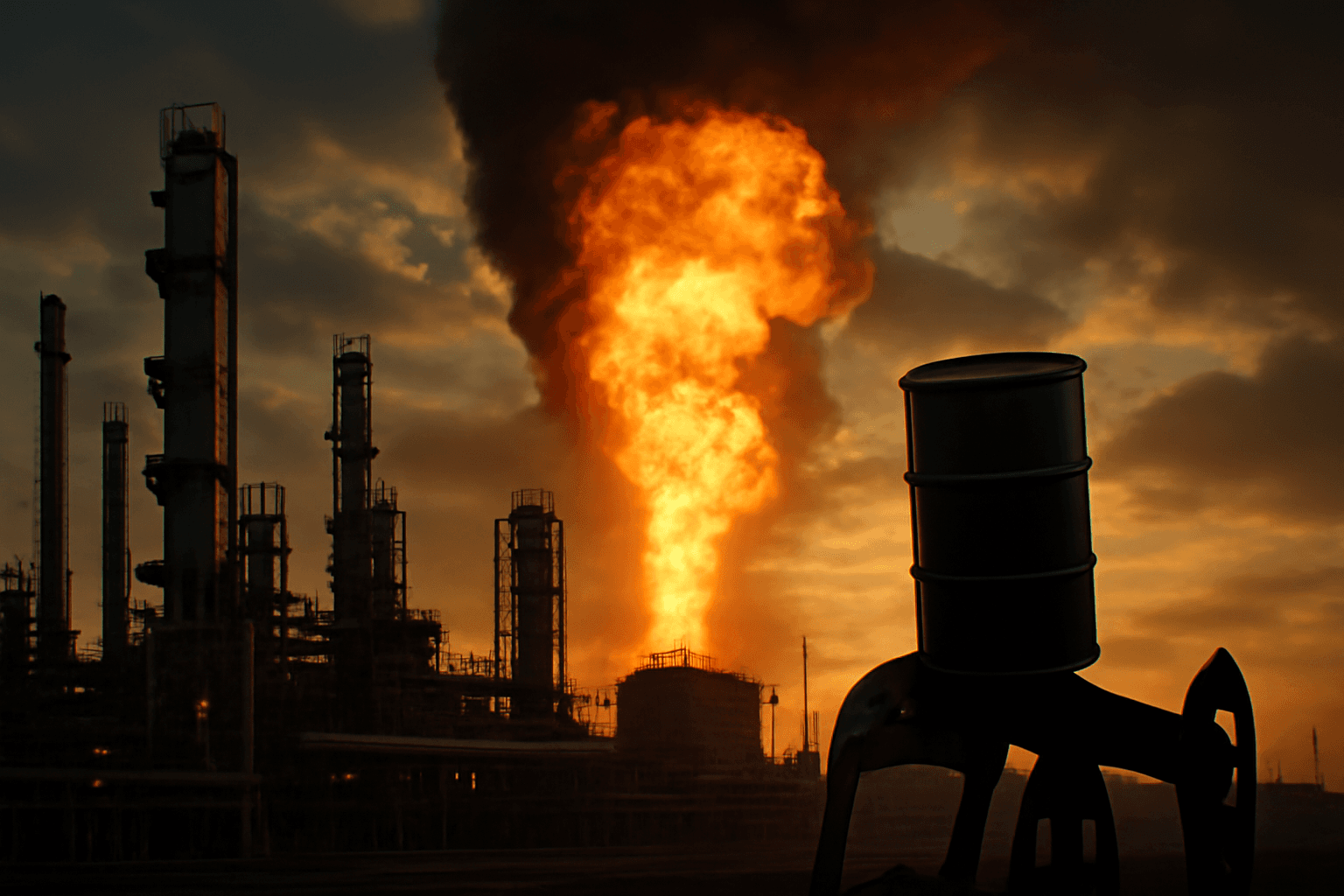
Escalation Evident in Civilian Casualties and Military Actions
Eight civilian deaths in Iran's Hormozgan province following a US airstrike mark the seventh consecutive night of attacks near the Strait of Hormuz. This region is strategically key, controlling a fifth of global oil shipments. The ongoing conflict, now five months in since February 2026, has intensified, eroding the fragile ceasefire and raising the stakes between Washington and Tehran. The US frames these strikes as retaliation for Iranian provocations, yet the death toll shows the conflict’s human cost and potential to widen.
Market Sentiment Reflects Growing Invasion Risks
Data indicate a rise in the market-implied probability of a full US invasion of Iran to 27.5%, up from 24% just 24 hours earlier. This shift signals investors and analysts re-pricing geopolitical risk amid persistent military escalation. Increased volatility in energy and defense sectors may follow, given Hormozgan’s proximity to the energy transit chokepoint of the Strait of Hormuz. Such dynamics can cause ripple effects on global supply chains and crude oil prices, influencing crypto markets sensitive to macroeconomic shocks.
Key Factors to Monitor in Ongoing Conflict
Market actors will closely watch statements from US President Donald Trump and Defense Secretary Pete Hegseth for signs of strategic pivoting. Diplomatic efforts led by Pakistan and China to broker ceasefire agreements represent potential flashpoints or escape valves for escalating tensions. plus any Iranian retaliations or increased military activity near the Strait could further unsettle markets. These developments bear relevance for decision-making in risk-sensitive investment classes including altcoins and DeFi, which react to broader macro and geopolitical turbulence.
this material is informational and not financial advice