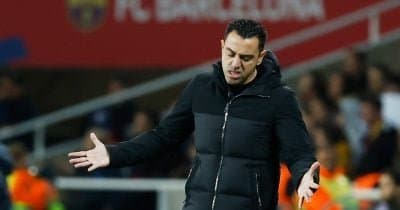
Xavi Hernández is trading the relentless pace of club management for the more measured rhythm of national team coaching. On July 17, 2026, the former FC Barcelona manager announced his intent to pursue roles at major international tournaments, citing the family-friendly schedule as a decisive factor. This move signals a significant realignment in his career priorities and highlights the growing appeal of international coaching positions for high-profile managers seeking balance.
From Club Chaos to Tournament Focus
After leaving Barcelona in 2025 following a tenure that began in 2021 and included a La Liga title in 2022-2023 Xavi opted not to step away from football but reframe his role within it. Unlike the daily grind and constant pressures of club football, national team coaching operates on a cyclical basis tied to major tournaments like the World Cup, UEFA EURO, Africa Cup of Nations, and the Asian Cup. This format naturally limits the frequency of matches, reducing the exhaustive demands on coaches and allowing for more predictable work-life boundaries.
Xavi’s announcement did not come as a surprise; he had already hinted at this direction in May 2025. His choice reflects a broader trend where seasoned managers seek national team roles to sustain their careers while prioritizing personal time a dynamic that could reshape how top-level coaching careers evolve.
Strategic Implications and Regional Appeal
Xavi’s diverse background, which includes an extended playing and coaching stint at Qatar’s Al Sadd, equips him with rare cross-continental credentials. His openness to managing in tournaments like the Asian Cup shows genuine familiarity with football cultures beyond Europe, enhancing his attractiveness to federations aiming for coaches who resonate with both players and supporters.
Spain remains a natural focal point for discussions around Xavi’s future. His deep ties to Spanish football, shaped by his successes as a player during the tiki-taka era and subsequent managerial achievements, make the role of Spain’s national team coach a logical target. However, Luis de la Fuente currently holds that position, especially following Spain’s UEFA EURO 2024 victory, so any transition would depend on future vacancies.
Xavi’s move also lies against a backdrop of evolving football management paradigms, where international roles might gain appeal amid club-level chaos. Managers like him balancing personal life and career can influence younger coaches and federations to reconsider the structure and expectations around coaching appointments.
This article is informational and should not be considered financial advice.