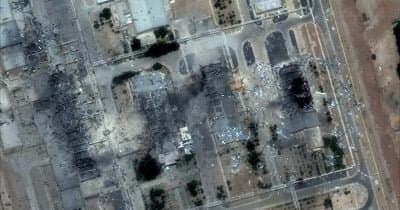
"Nine consecutive nights of strikes show this is no mere reaction," commented a market strategist specializing in geopolitical risk. The US Central Command’s persistent military campaign targeting Iranian military sites, confirmed as of July 20, 2026, signals an escalation beyond a simple punitive action, pointing instead to a sustained effort to negate threats to commercial shipping, especially in the critical Strait of Hormuz. What stands out is the specificity of the targets: Iranian command centers, air defenses, maritime assets, and missile facilities all elements Iran might employ to threaten global oil logistics.
Since mid-July, these operations have ratcheted up tensions in a region that underpins roughly 20% of the world’s oil shipments. President Trump’s framing of this campaign as protection for commercial vessels following Iranian-linked attacks that killed US personnel adds a layer of intentional deterrence rather than reactive strikes. Iranian Supreme Leader Khamenei’s refusal to entertain ceasefire proposals removes a natural exit point from this standoff, suggesting a prolonged period of instability. For markets, especially those tied to energy, this is far from trivial, but the impact extends to digital assets too.
Historically, Bitcoin and Ethereum exhibit unpredictable short-term responses during geopolitical crises. Sometimes capital flees to traditional safe havens like US Treasuries and cash, at other times, Bitcoin gains as a non-sovereign store of value. The key insight lies in correlation patterns rather than price moves alone: a shift of Bitcoin aligning more closely with gold and inversely with the S&P 500 would indicate that investor sentiment is pivoting toward viewing crypto as a hedge asset rather than a risk-on instrument. Traders monitoring this could detect early signals of crypto’s evolving role in diversified portfolios amid geopolitical shocks.
also the strategic significance of the Strait of Hormuz cannot be overstated: any disruptions to oil flow could reverberate through tokenized commodities markets and amplify volatility in stablecoins, particularly in regions heavily reliant on dollar alternatives for daily commerce. Investors should closely track whether CENTCOM extends its strike campaign beyond the ninth night and if Iran’s response escalates to impact shipping lanes. These developments would likely intensify energy-linked token volatility and provide further clues about Bitcoin’s emerging correlation shifts with traditional safe havens. Understanding these dynamics is key for positioning amid intertwined geopolitical and market risks.
This material is informational and is not financial advice.