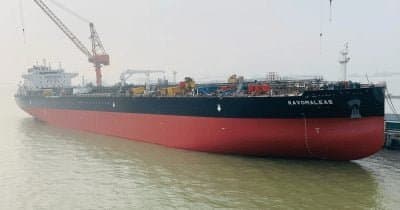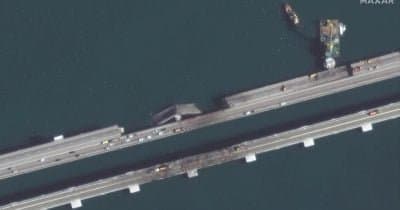
Ukraine escalated its drone strikes targeting Russian logistics hubs in Crimea, aiming to sever critical military supply lines. This campaign focuses on key infrastructure points including fuel depots, oil terminals, and transport routes that sustain Russian forces on the peninsula. The disruption has intensified to the point where Russian-installed authorities declared a state of emergency, signaling a significant degradation of operational capabilities.
Strategic Implications of Targeting Logistics
By systematically targeting logistics rather than purely military outposts, Ukraine seeks to diminish Russia’s ability to maintain its hold on Crimea without engaging in a large-scale ground offensive immediately. Fuel shortages and power outages reported locally indicate that the strikes are succeeding in their objective to isolate the region and undermine the effectiveness of Russian deployments.
Market analysts interpret these developments as increasing the probability of Ukraine reclaiming Crimea by the end of 2026. The campaign reflects a sophisticated use of asymmetric warfare, applying pressure on supply chains that are vital to sustaining long-term occupation.
This approach echoes recent dynamics seen in other conflict zones where infrastructure disruption precedes territorial gains. Monitoring updates from sources such as the Institute for the Study of War and changes in territorial control maps will be essential for gauging whether this strategy yields significant shifts on the ground.
Investors and observers should also watch for any changes in international diplomatic support for Ukraine, as shifts here could accelerate or stall momentum. Potential Russian responses or escalations may impact broader geopolitical risks affecting market sentiment.
This material is for informational purposes only and does not constitute financial advice.