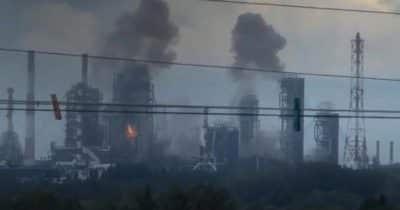
The recent drone attack by Ukraine on the Omsk oil refinery, Russia’s largest refining facility, marks a significant escalation in the ongoing conflict. Located over 2,500 km away from the front lines, this assault raises concerns about energy security and market volatility.
A Critical Strike on Russian Infrastructure
Confirmed by Ukraine's General Staff and supported by open-source intelligence, the attack on or around July 6, 2026, targeted the ELOU-AVT-11 processing unit at the Omsk facility, which has a capacity of 8.4 million tons per year. This strike represents the deepest incursion into Russian territory during the conflict, suggesting a shift in Ukraine's operational tactics.
Impact on Russian Refining Capacity
The Omsk refinery is vital for the Russian fuel supply, processing approximately 23 million metric tons of oil annually, translating to about 460,000 barrels per day. The ongoing campaign against Russian refineries, which has seen attacks on at least eight of the ten largest facilities since March, has resulted in a striking loss of refining capacity. Analysts estimate that between 25% and 43% of total Russian refining capabilities have been impacted, exacerbating domestic fuel shortages that the Russian government is currently struggling to manage.
Market Implications and Future Considerations
This attack could have significant repercussions for global energy markets, particularly as Europe and other regions are still grappling with the fallout from ongoing geopolitical tensions. Fuel supply disruptions from Russia could lead to higher oil prices worldwide, affecting consumers and businesses alike.
Furthermore, if Ukraine continues to successfully target key infrastructure, this might strain Russia's ability to maintain energy exports and could prompt Western nations to reassess their energy policies regarding dependence on Russian oil. Investors should closely monitor these developments, as the volatility could create both risks and opportunities in the energy sector.