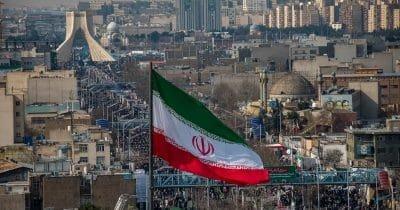
Russia's state nuclear corporation, Rosatom, is gearing up to send personnel back to Iran's Bushehr Nuclear Power Plant in mid-July. This decision marks a significant shift from a previously implemented evacuation strategy, where approximately 813 Russian specialists were withdrawn amid escalating regional tensions. By May 2026, only about 20 essential staff remained on-site, suggesting a precarious situation at the facility.
Despite the withdrawal, construction on Units 2 and 3 has continued, driven by a workforce of roughly 2,200 Iranian contractors. Notably, the reactor for Unit 2 is reported to be over 60% complete as of May 2026. The operational Unit 1 of Bushehr has been under Rosatom's management since 2011, and the expansion into new units signifies a deepening bilateral nuclear partnership that dates back to contracts from the 1990s.
Implications for Energy Markets
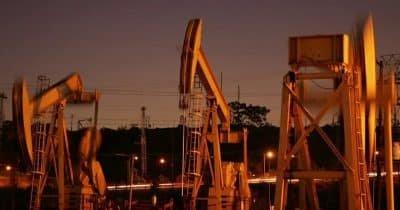
The potential resumption of Russian personnel adds complexity to the narrative surrounding energy markets, particularly concerning Iran's broader goal of diversifying its power generation away from fossil fuels. Should the project adhere to its timeline, an expansion of Bushehr could lead to a rise in Iranian oil and gas exports, as more energy would be allocated for international markets rather than domestic consumption.
This scenario bears implications for crypto miners, who are notably sensitive to electricity costs. Lower energy expenses in Iran could enhance the profitability of Bitcoin mining operations, where electricity is a major input cost.
Monitoring Regional Stability
Investors should closely observe the unfolding situation around the planned mid-July personnel return. A successful reintegration would imply a reduction in regional tensions and could serve as a positive signal for energy stability in the region. Conversely, if delays occur, it may indicate persisting security concerns that could affect not only energy markets but also geopolitics.
Ultimately, while the immediate impact on crypto markets may be minimal, the interconnectedness of energy costs and operations, particularly in mining, warrants close scrutiny of developments like this. A successfully executed expansion at Bushehr may lead to broader shifts in energy dynamics, further influencing the economic landscape.