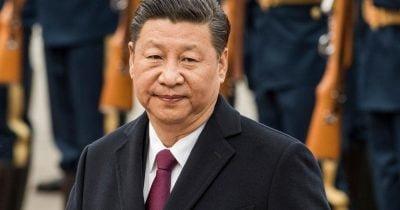
In a surprising diplomatic move, China has issued a stern warning to Russia against any contemplation of nuclear weapon usage in the ongoing Ukraine conflict. Ukrainian President Volodymyr Zelenskyy characterized this interaction as 'ultimatum-like,' marking a distinct shift from Beijing's traditionally measured tone. This development not only heightens geopolitical tensions but also introduces new dimensions to the already volatile crypto markets.
Why This Development Matters
Zelenskyy’s remarks come amidst increasing discussions in Russian media about potential nuclear escalation in response to Ukrainian actions. He underscored the significance of this direct communication from China, emphasizing that it represents the first time Beijing has responded so forcefully regarding the nuclear discourse:
- China has consistently advocated against nuclear escalation since the beginning of the conflict.
- President Xi Jinping has repeatedly called for restraint from all involved parties.
- This latest communication suggests a sharpening of China’s diplomatic stance regarding nuclear arms.
- The geopolitical context includes deepening military cooperation between Russia and China.
This escalation in rhetoric highlights the evolving nature of international relations and its implications for global markets, including cryptocurrencies. While Zelenskyy did not mention crypto directly, previous instances have shown that the crypto sector is intricately linked to real-world conflicts. The early days of the Ukraine invasion saw Ukraine leverage digital currencies for fundraising, while Russia explored similar avenues for sanctions evasion.
Potential Impact on Crypto Trading
Historical trends indicate that nuclear escalation rhetoric can induce short-term volatility within the crypto markets. However, such events typically do not result in lasting shifts in asset valuations. Instead, crypto prices are more acutely responsive to liquidity conditions, monetary policy signals, and specific market events such as ETF approvals and major protocol upgrades. Traders might find a familiar pattern emerges during such geopolitical crises:
- Monitor for quick risk-off movements triggered by relevant headlines.
- Prepare for potential rapid reversals in the market.
- Recognize that a geopolitical dip does not equate to a fundamental change in crypto’s market structure.
Assets that maintain liquidity are likely to perform best during these tumultuous times. Therefore, a keen understanding of market dynamics will be essential for investors navigating this complex landscape.
Looking Ahead: What to Watch For
As the situation evolves, market participants should remain vigilant for any indications of heightened geopolitical tensions that may influence trading patterns. Key aspects to observe include potential reactions from Western governments, further commentary from China concerning its stance on nuclear weapons, and the broader implications for financial markets. Future regulatory discussions, especially within frameworks concerning wartime finance, could also emerge as critical factors affecting market stability and investor sentiment.
This material is for informational purposes only and is not financial advice.