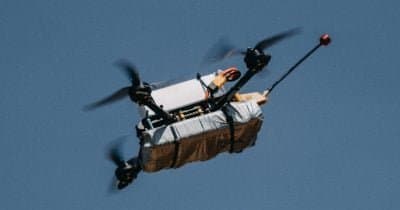
The ongoing conflict between Ukraine and Russia has entered a critical juncture, particularly shaped by Ukraine's innovative use of drone technology. This advancement, largely spearheaded by Maria Berlinska and her initiative, Victory Drones, has trained a substantial number of drone pilots, thereby enhancing Ukraine's operational effectiveness and tactical flexibility. Such developments are not merely military; they significantly influence market perceptions related to the conflict and potential shifts in territorial control.
Shifts in Military Dynamics and Market Responses
The tactical superiority of Ukraine's drone warfare is becoming increasingly recognized not just on the battlefield but also in financial markets. The current sentiment indicates a diminishing confidence in Russia's capability to seize Sloviansk by the projected deadline of December 2026. This change reflects a broader recognition of Ukraine's enhanced defensive strategies and the effectiveness of their drone operations, which have been instrumental in disrupting Russian logistical lines. As market participants adjust their expectations, it becomes clear that operational dynamics are shaping investment decisions and risk assessments related to the region.
Prospects for Ceasefire and Geopolitical Implications
Beyond mere military tactics, the geopolitical landscape is also evolving. The likelihood of a ceasefire agreement between Russia and Ukraine by the end of 2026 appears moderate, influenced by current military operations and negotiations. This complex interplay between ongoing hostilities and potential diplomatic resolutions showcases how military advancements, such as Ukraine's drone strategy, can cascade into broader geopolitical considerations. For investors and analysts alike, monitoring these developments is essential, as shifts in military momentum or international diplomatic efforts could have profound effects on market expectations regarding the conflict.
This article is informational and does not constitute financial advice.