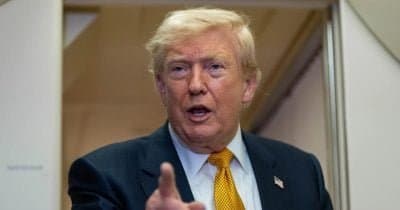
During a recent press conference, President Donald Trump confirmed plans for expanded oil deals with Iraq, stating that the US would take significant volumes of oil from the country. This announcement, made in the wake of a meeting with Iraqi Prime Minister Ali al-Zaidi, signals a potential shift in the global oil supply dynamics that could reverberate through various markets, including cryptocurrencies.
Strategic Moves in Oil Supply
The essence of the deal lies not only in its economic implications but also in its geopolitical context. The meeting saw discussions involving US energy giants like Chevron, which is negotiating to tap into two substantial Iraqi oil fields: West Qurna-2 and Nasiriyah. Iraq's aim to reach a production target of 4.3 million barrels per day highlights the country’s potential, though it has not consistently achieved this level for years. This move by US firms is not merely about economic gain; it reflects a strategic maneuver to reassert US influence over a sector long dominated by international players, notably from China and Europe.
Potential Market Repercussions
As these deals unfold, the oil futures market will likely react swiftly, pricing in expectations of increased supply. However, it is crucial to consider the OPEC dynamics that are at play. Increased output from Iraq could provoke a response from other OPEC members, potentially leading to supply disputes reminiscent of past volatility in oil prices. Such fluctuations can influence investor sentiment across various asset classes, including crypto assets, which have been historically sensitive to shifts in the broader economic landscape.
The security assurances offered by the US to Iraq create a quid pro quo dynamic, potentially linking military support to access to energy resources. This adds an additional layer of complexity for investors, as any escalation in geopolitical tension could further influence both oil prices and, by extension, risk assets, including cryptocurrencies.
This material is for informational purposes only and does not constitute financial advice.