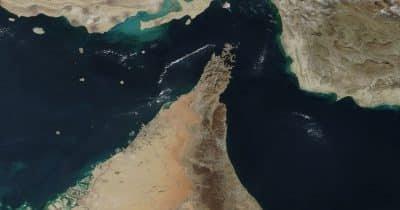
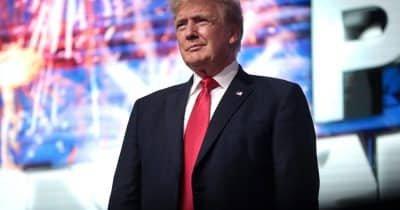
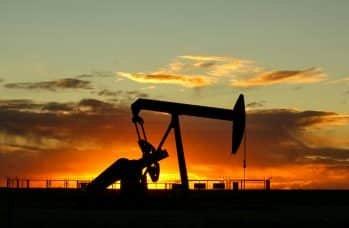
The recent announcement by former President Trump declaring the end of the Iran ceasefire at a NATO summit has sent shockwaves through the financial markets. As fears of escalating geopolitical tensions grow, stock futures have notably declined, while oil prices have surged above $74 per barrel, reflecting immediate market reactions to the heightened instability.
Why This Development Matters
The implications of this declaration are significant for multiple sectors. Geopolitical instability often triggers volatility in financial markets, particularly in oil and energy sectors. As oil prices rise, it's not just energy companies that feel the impact; higher oil prices can lead to inflationary pressures across the economy, affecting consumer spending and overall economic growth.
- Oil prices surpassed $74 per barrel following the announcement.
- Stock futures experienced a decline amid rising geopolitical tensions.
Potential Consequences for Investors
The market's reaction highlights the sensitivity of equities to political developments. Investors need to be aware of how such geopolitical factors could disrupt previous patterns of market performance. For example, industries reliant on stable oil prices may see increased costs that could erode profit margins, affecting overall market sentiment.
This situation also raises questions about future policy directions and their economic ramifications. As global markets adjust to these new realities, the ability to predict movements based on geopolitical events becomes crucial for investors.
Looking Ahead: Key Factors to Monitor
Investors should keep an eye on upcoming responses from major economies and how OPEC might react to support or stabilize oil prices amidst rising tensions. Furthermore, monitoring stock market trends can provide insights into broader economic sentiments in the wake of such geopolitical announcements.
This material is for informational purposes only and is not financial advice.