How Trump's Crypto Profits Could Complicate the CLARITY Act's Future
The CLARITY Act gains some support, but ethical concerns stemming from Trump's crypto profits may complicate its future.
The CLARITY Act, a proposed bill aimed at structuring the crypto market in the U.S., has recently gained traction, particularly around its Section 604, which focuses on developer protections. However, the path to its approval may not be as straightforward as it seems, especially in light of emerging ethical concerns related to significant crypto profits attributed to former President Donald Trump.
Shift in Law Enforcement's Position
The Major County Sheriffs of America (MCSA) has publicly shifted its stance on the CLARITY Act from opposition to a neutral position. In a letter to the Senate, the sheriffs acknowledged ongoing discussions surrounding Section 604, suggesting an opportunity to enhance the legislation in ways that could benefit both innovation and law enforcement. This transition is noteworthy given that just a few months ago, multiple law enforcement and civic groups, including Catholic organizations and banking lobbyists, opposed this very section, arguing it could enable illicit financial activities.
Reactions from Industry Leaders
Brian Armstrong, CEO of Coinbase, remarked on this development as a significant milestone, hinting that law enforcement concerns are now addressed, thereby clearing a pathway for the bill's passage. Yet, while the law enforcement backing is crucial, it is not the only factor lawmakers are considering.
Ethical Implications of Trump's Windfall
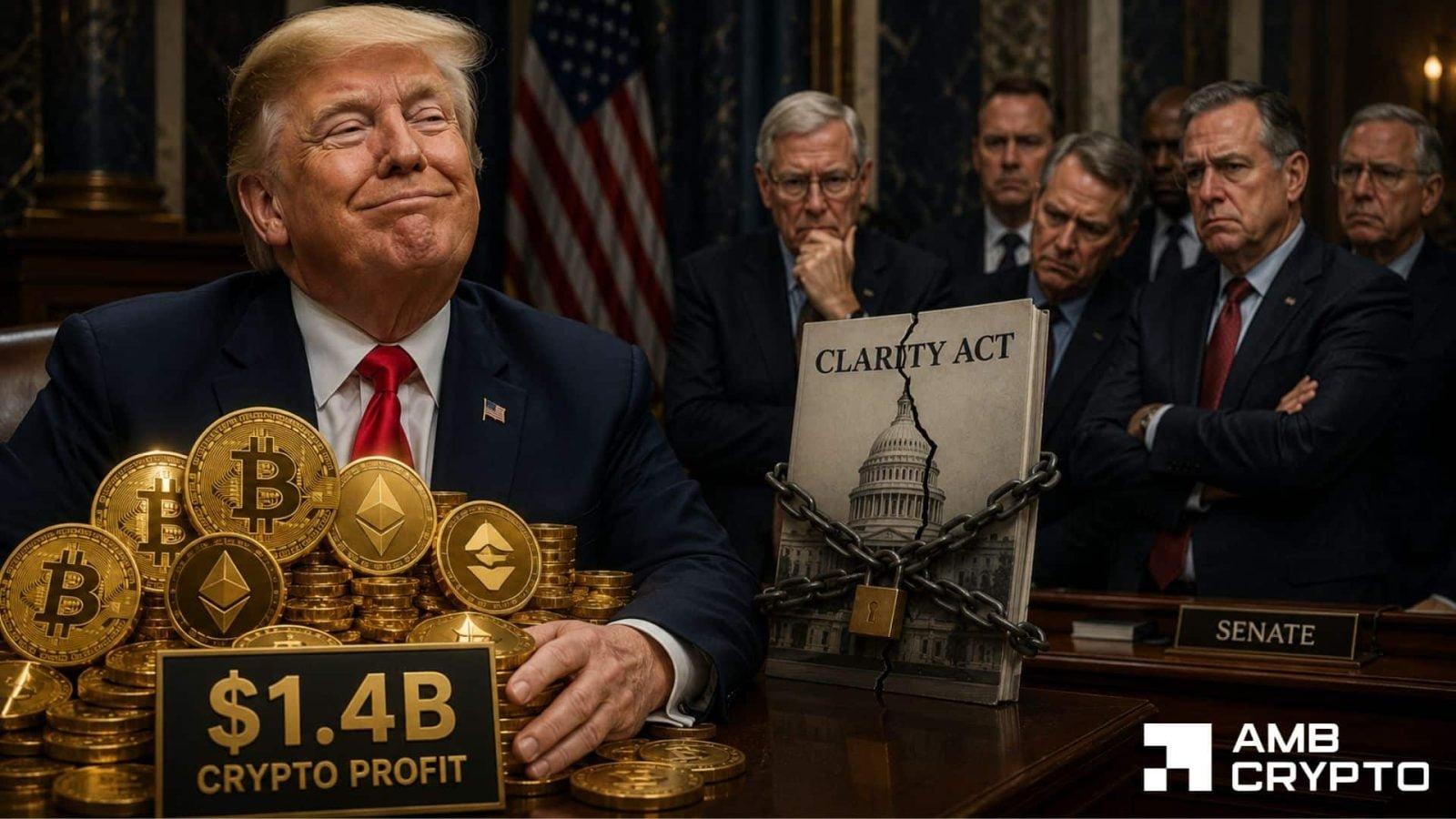
Trump's reported $1.4 billion crypto profit, primarily from the Official Trump memecoin, has reignited conversations around ethics in the crypto space. Senator Kirsten Gillibrand has expressed renewed concerns about elected officials profiting from the creation of their own crypto tokens, emphasizing the need for prohibitions against such practices. She argued that allowing self-dealing behaviors could jeopardize efforts to enhance consumer protections and combat illicit finance, potentially harming public trust in the regulatory process.
Hasu, a strategic advisor at Lido, echoed similar concerns, suggesting that Trump's financial gains could backfire on the industry at large. This sentiment reflects a broader worry that unethical practices could undermine the credibility of the entire crypto market, influencing public and legislative perceptions.
The Future of the CLARITY Act
The ethical implications surrounding Trump’s crypto activities have complicated the CLARITY Act’s trajectory. While speculation abounds regarding the legislation being finalized by July 4th and a potential Senate vote within the month, analysts are cautiously optimistic. Bloomberg estimates a 60% chance of the bill becoming law this year, while Galaxy Research suggests a more conservative 50-50 outlook. Ultimately, whether the ethics provisions can be effectively integrated without delaying progress remains uncertain.