How Europe's MiCA Regulation Will Reshape the Crypto Landscape
The implementation of MiCA marks a historic regulatory shift for the crypto industry in Europe, promising both challenges and opportunities for market participants.
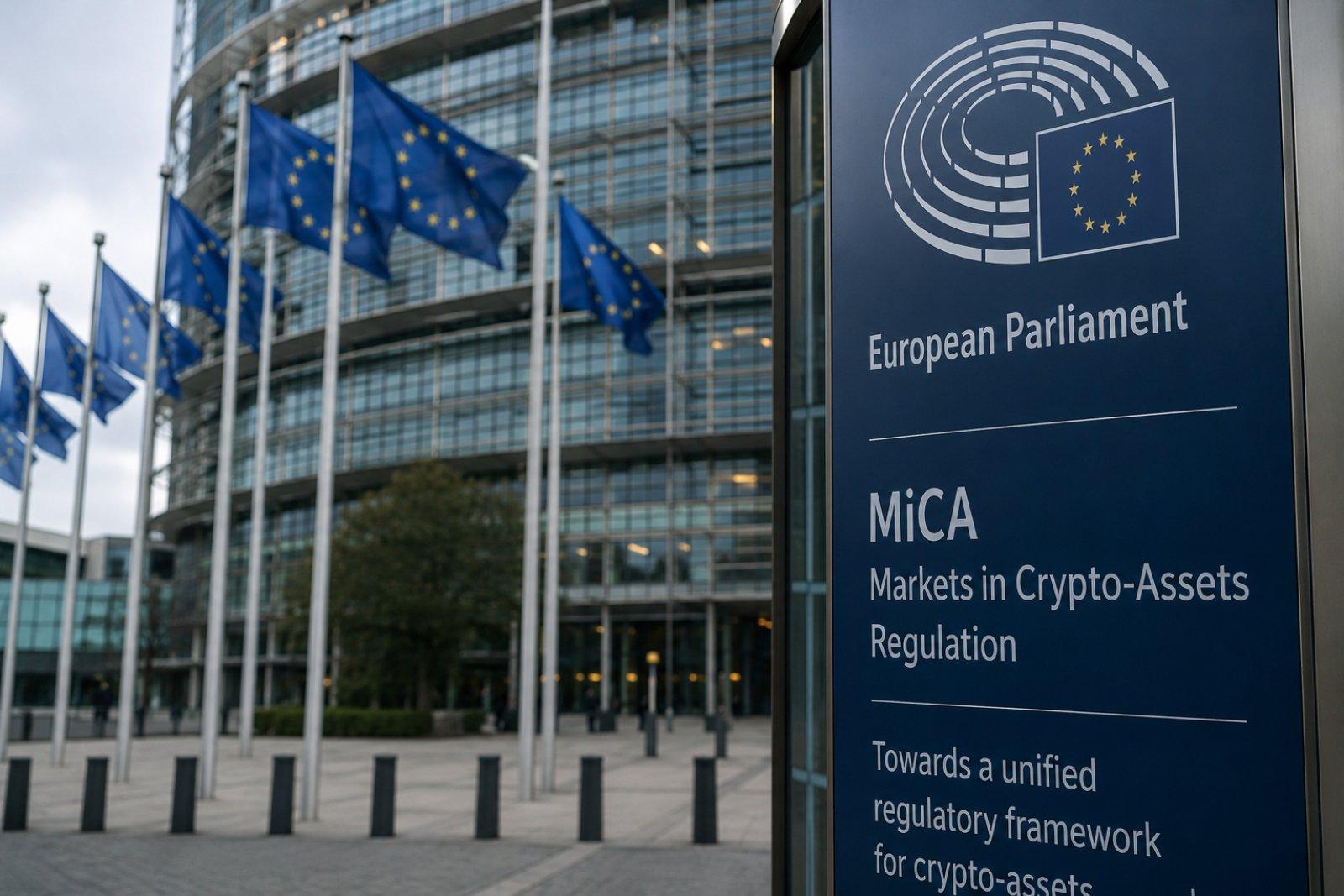
The European Union's recent implementation of the Markets in Crypto-Assets Regulation (MiCA) marks a pivotal shift in the regulatory landscape for cryptocurrency in Europe. With the regulation now fully enforceable across all 27 member states as of July 2026, the crypto industry faces profound transformations that investors and market participants must navigate carefully.
Understanding MiCA's Comprehensive Framework
MiCA, officially Regulation (EU) 2023/1114, aims to establish unified regulatory standards for the digital asset ecosystem within the EU. This new framework not only enhances consumer protection but also sets clear operational guidelines for cryptocurrency service providers (CASPs)—a category that includes exchanges, brokers, and custodians. By offering a centralized licensing system, MiCA allows firms to operate across the EU with a single authorization, promoting market efficiency.
Impact on Exchanges and Investment Opportunities
Prior to MiCA, crypto firms contended with a patchwork of national regulations, leading to operational inefficiencies and regulatory uncertainties. Now, as they transition to this unified framework, CASPs are required to adhere to stringent compliance standards, including robust measures against market abuse and improved transparency—a necessity that prior fragmented structures often neglected.
The immediate impact on exchanges will be significant. They must ensure compliance with MiCA's directives to legally serve EU customers, effectively terminating operations for those that fail to secure the required authorization. This could lead to a consolidation of market players as smaller firms struggle to meet compliance requirements, potentially enhancing the competitive landscape for larger, more adaptable players.
Long-Term Consequences for the Crypto Market
The full enactment of MiCA may deter speculative trading behavior and promote more sustainable market practices. As firms prioritize regulatory compliance, we may see a decline in the prevalence of high-risk offerings and fraudulent schemes that have plagued the industry. In the long run, this could foster greater institutional and retail investor confidence in cryptocurrencies, paving the way for broader adoption.
- Increased Legal Clarity: Provides clear operational guidelines for firms.
- Enhanced Consumer Protection: Imposes regulations to safeguard customer assets.
- Market Consolidation: Smaller firms may exit, leading to fewer but stronger competitors.
Conclusion: Navigating a New Era
As MiCA sets the stage for a more regulated crypto environment, both investors and market participants need to recalibrate their strategies. While the prospect of tighter regulation may spark concerns about broader accessibility, it is equally an invitation for new, compliant innovations in digital finance. The industry will need to demonstrate adaptability in this new era to thrive amid enhanced scrutiny and user demand for safer crypto transactions.