How Trump Built a $1.4B Crypto Fortune in 2025 — and Why It's Raising Alarms
Donald Trump's crypto-related ventures generated over $1.4 billion in 2025, with WLFI token sales and the TRUMP memecoin leading the way — now drawing intense scrutiny over the intersection of personal profit and crypto policymaking.
Donald Trump's 2025 financial disclosure has revealed a dramatic reshaping of his business portfolio. For the first time, cryptocurrency ventures have surpassed traditional commercial interests as the primary source of his income — a milestone that reflects both the explosive growth of family-backed digital asset projects and a broader blurring of lines between political power and private profit.
According to records filed with the Office of Government Ethics, Trump-affiliated crypto ventures collectively reported more than $1.4 billion in income throughout 2025. The lion's share came from two main sources: token sales through World Liberty Financial (WLFI), which brought in close to $600 million, and revenue tied to the Official TRUMP memecoin, which contributed approximately $636 million despite a steep decline in market value — the token dropped from a peak of $74.24 down to as low as $1.67 at one point.
Beyond token sales, additional revenue was generated through equity transactions and licensing agreements, suggesting that the financial model underpinning Trump's crypto empire does not rely exclusively on asset price appreciation. Instead, the structure leverages deal-making mechanisms that produce returns regardless of market conditions.
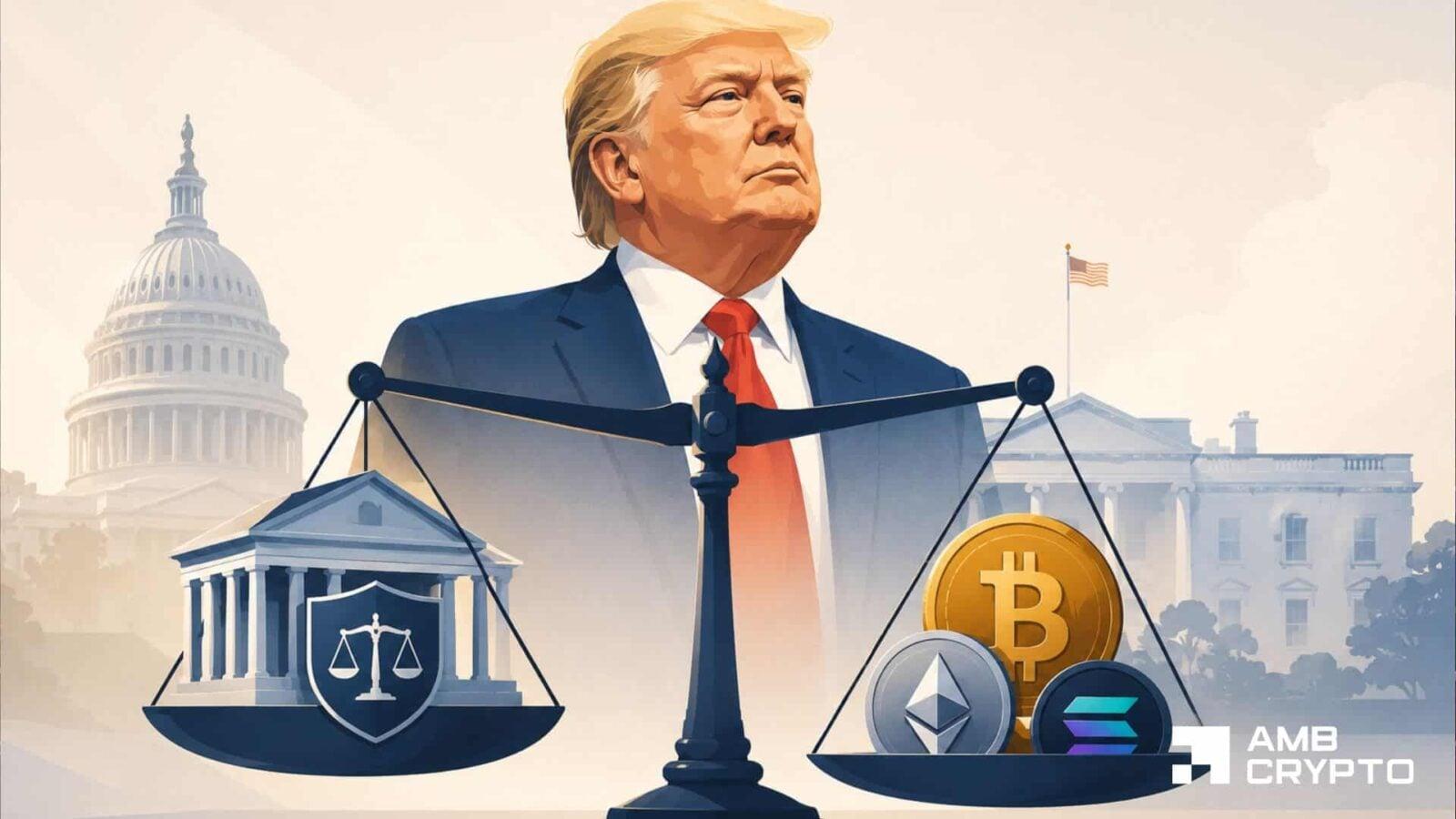
The scale of these disclosures has intensified ethical scrutiny from lawmakers and watchdog groups. Critics point to a concerning overlap: as Trump's personal financial interests in crypto expanded, his administration simultaneously pushed forward sweeping regulatory reforms favorable to the digital asset industry. The GENIUS Act and the CLARITY Act — both championed under Trump's watch — are designed to establish clearer frameworks for stablecoins and to restructure the broader digital asset marketplace.
Opponents argue this alignment is far from coincidental. If looser or more favorable regulations increase the value and legitimacy of crypto ventures, businesses in which the president holds financial stakes stand to benefit directly. Reports have also surfaced indicating that the CLARITY Act's passage was stalled amid unrelated legislative disputes, including disagreements over a housing bill, further complicating the political picture around crypto reform.
In response, a growing coalition of legislators has called for enhanced ethics safeguards and stricter disclosure requirements for public officials with significant holdings in regulated industries. These proposals aim to create a clearer boundary between personal financial gain and the crafting of national economic policy.
On the regulatory side, the numbers tell their own story. Data from Cornerstone Research shows that SEC enforcement actions targeting cryptocurrency firms fell by roughly 60 percent in 2025. Meanwhile, CFTC enforcement activity in the virtual currency space dropped to near zero. Regulators appear to have pivoted away from punitive actions and toward building structured frameworks — a shift consistent with the administration's stated priorities.
Despite the political turbulence, broader financial markets have largely remained focused on traditional indicators: interest rates, ETF inflows and outflows, and macroeconomic trends. This suggests that institutional investors are not yet pricing in governance risk tied to the administration's crypto entanglements — at least not directly.
Nevertheless, the convergence of presidential wealth, industry-friendly legislation, and reduced regulatory enforcement is creating a pressure point that is unlikely to ease. As ethics investigations gain momentum and public debate intensifies, the standards governing how officials with crypto exposure can shape digital asset policy may be significantly tightened in the months ahead. The outcome of that debate could redefine accountability norms across the entire crypto oversight landscape.