The military tensions between the United States and Iran have escalated, leading to air raid sirens in Jordan as the geopolitical climate intensifies. This situation is affecting not only regional stability but also the pricing mechanisms of global commodities and digital assets. With Jordan caught in the middle of a conflict driven by external powers, the ramifications of this confrontation extend to investors analyzing market behaviors influenced by geopolitical risks.
Why the Current Situation Matters
The persistent conflict zone in the Middle East is reverberating through various financial sectors, particularly oil and cryptocurrencies. The exposure of Jordan to these tensions raises critical questions about how such geopolitical events can sway market sentiment and disrupt supply chains.
- Brent crude oil prices surged by 8% following the initial strikes on February 27-28, crossing the $100 per barrel threshold.
- Bitcoin saw fluctuations from approximately $63,600 to $65,800 as reports of U.S.-Iran negotiations hinted at potential de-escalation.
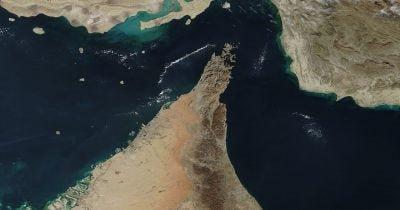
- A significant 20% of global oil trade transits through the Strait of Hormuz, underscoring its importance.
The Ripple Effects on Financial Markets
The surge in oil prices due to the already tense situation demonstrates how vulnerable the markets are to geopolitical instabilities. Concurrently, Bitcoin's nuanced reaction, rising amid negotiations, indicates its role as a risk-on asset during periods of uncertainty. Notably, the exploration of digital assets by Iran to evade U.S. sanctions could inject further volatility and regulatory challenges into the crypto market, as the potential for tracing and controlling these transactions diminishes.
As the conflict unfolds, investors should closely monitor these interactions. A confirmed diplomatic resolution could trigger a significant rally in crypto markets, reminiscent of market responses to easing financial conditions as highlighted in previous analyses, such as what easing financial conditions mean for crypto and risk assets.
Looking Ahead: Key Factors for Investors
The geopolitical landscape remains a pivotal factor for both oil and cryptocurrency markets. The ability of the Strait of Hormuz to remain open and operational will be crucial. Furthermore, any signs of diplomatic easing or military de-escalation will likely translate into a broader risk-on sentiment across digital assets.
This material is for informational purposes only and is not financial advice.