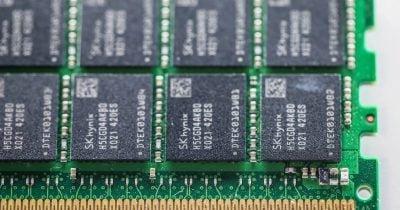
In a startling announcement, Kwak Noh-jung, CEO of SK Hynix, has foreseen a significant disruption within the global memory chip market, predicting the worst supply shortage in history starting in 2027 and lasting through 2030. This forecast unveils a trend driven largely by the increasing demand in artificial intelligence (AI) applications, which may have profound implications not only for the tech industry but also for the cryptocurrency market.
The crux of the issue lies in SK Hynix’s inability to keep pace with soaring demand for high-bandwidth memory (HBM), which is critical for powering AI algorithms and applications. As companies like SK Hynix, Samsung Electronics, and Micron Technology dominate this market segment, their warnings should not be taken lightly. A structural wafer shortage has already been identified, with a gap exceeding 20% that is expected to persist for multiple years. Such a deficit points to serious challenges ahead, particularly as efforts to ramp up production will take years rather than months.
Implications for the Semiconductor Supply Chain
The ramifications of this memory chip shortage extend beyond traditional tech products and functionally intersect with the cryptocurrency realm in notable ways. For one, the availability of Graphics Processing Units (GPUs), which are essential for mining cryptocurrencies like Bitcoin and Ethereum, could face restrictions. The competition for these chips has intensified as both crypto miners and AI firms seek the same high-performance hardware. This escalating demand can lead to inflated prices and limit the capacity for mining operations, thereby reducing potential hash rates for networks that depend on such resources.
Wider Economic Consequences
Additionally, the indirect costs associated with a prolonged memory shortage can extend to the broader tech ecosystem. Many crucial components of decentralized finance (DeFi) infrastructure and cryptocurrency exchanges rely on memory-intensive servers. If the prices of DRAM and HBM experience significant increases due to limited supply, operating costs will likely surge across various sectors, forcing companies to reassess their budgets and operational strategies.
For investors keeping an eye on companies like Micron and Samsung, this could serve as a double-edged sword. While revenue per chip is expected to climb during tight supply conditions, thus benefiting margins, the pressure from end-users might drive a search for alternatives and increase regulatory investigations, especially when reliant on a concentrated supply base. Those who are strategically navigating these developments might find opportunities emerging within this shifting landscape.
This material is for informational purposes only and should not be considered as financial advice.