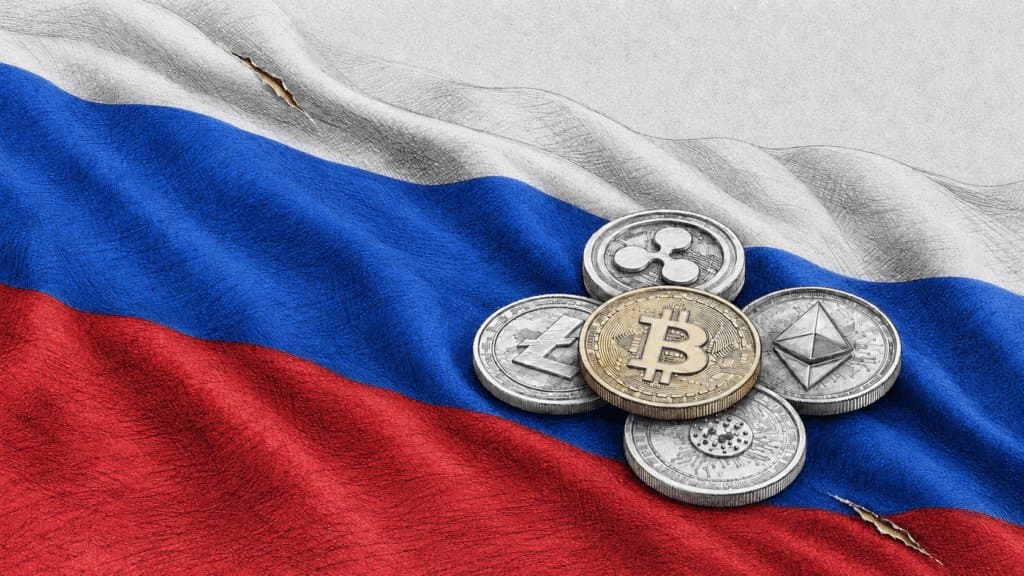
Russia’s parliament has enacted its first full cryptocurrency legislation, imposing a tight $3,800 annual cap on retail crypto purchases per intermediary, while simultaneously allowing companies to use digital assets for international trade settlements. This dual approach reflects a strategic balancing act between controlling retail exposure and enabling corporate crypto use in a sanctioned environment. The law’s main provisions become effective from September 1, setting a clear timeline for the market.
Retail Restrictions and Investor Segmentation
Under the new framework, retail investors defined as non-qualified buyers can only acquire the most liquid cryptocurrencies through licensed intermediaries, with a strict annual limit of 300,000 rubles, approximately $3,800, per intermediary. This cap significantly curtails retail participation, aiming to mitigate speculative risks and contain potential market volatility. Qualified investors are exempt from this ceiling but must still pass testing to engage, introducing a gatekeeping mechanism to ensure investor sophistication.
also only exchanges registered in a special government registry will be permitted to operate, with existing platforms given until July 1, 2027, to comply. This extended transition period acknowledges operational challenges while signaling a move toward formalized and regulated market infrastructure.
Trade Carveout Amid Sanctions and Domestic Limitations
The legislation maintains the existing prohibition on using cryptocurrencies for domestic payments and bans related advertising, reinforcing cautious oversight of crypto’s role in everyday transactions. However, a notable carveout permits settlements in digital assets under foreign trade contracts between Russian residents and non-residents. This exception is a direct response to international sanctions, particularly the European Union’s April package targeting Russian crypto activities. It suggests that Russia aims to use cryptocurrencies as a tool to circumvent traditional financial restrictions and facilitate cross-border commerce despite geopolitical pressures.
This dual-track policy shows a nuanced stance: limiting retail exposure while endorsing institutional crypto use for international trade. The move aligns with broader trends where governments seek to balance innovation with control, especially in contexts marked by sanctions and economic isolation.
Russia’s path toward crypto regulation has been gradual, with the central bank outlining a framework since December last year. The new law crystallizes these efforts, setting a clear regulatory environment that could influence investor behavior and market dynamics significantly.
This article is informational and does not constitute financial advice.