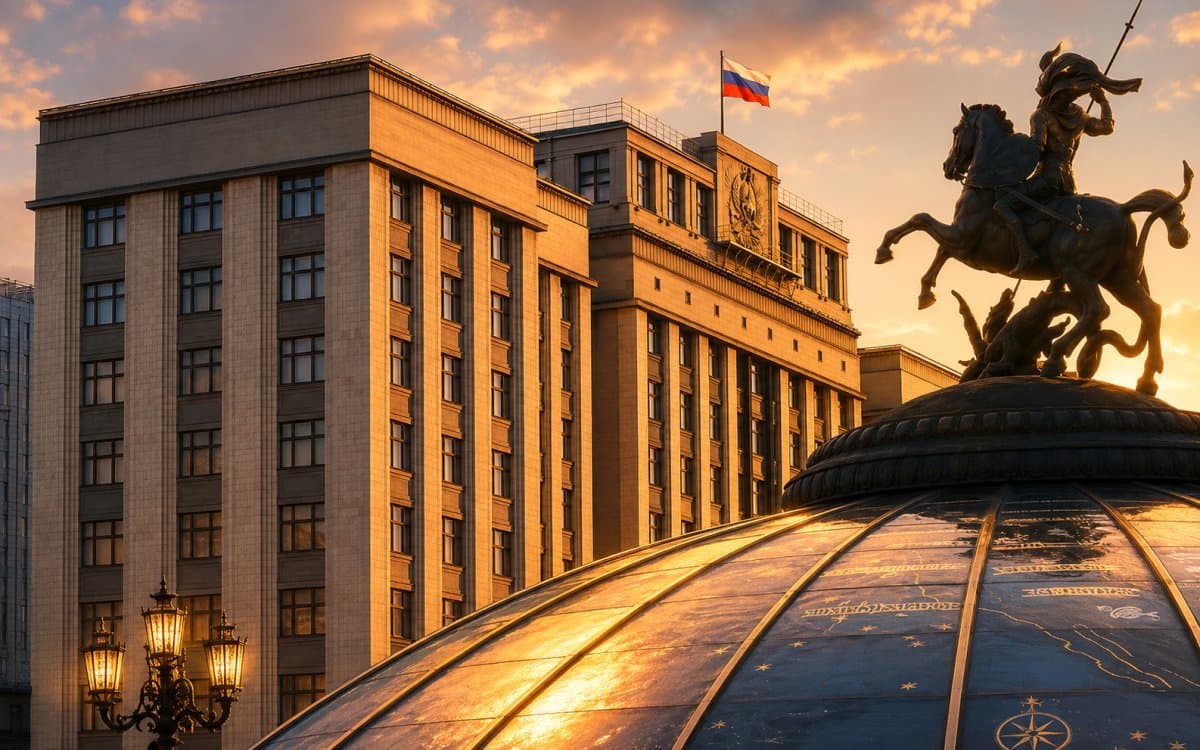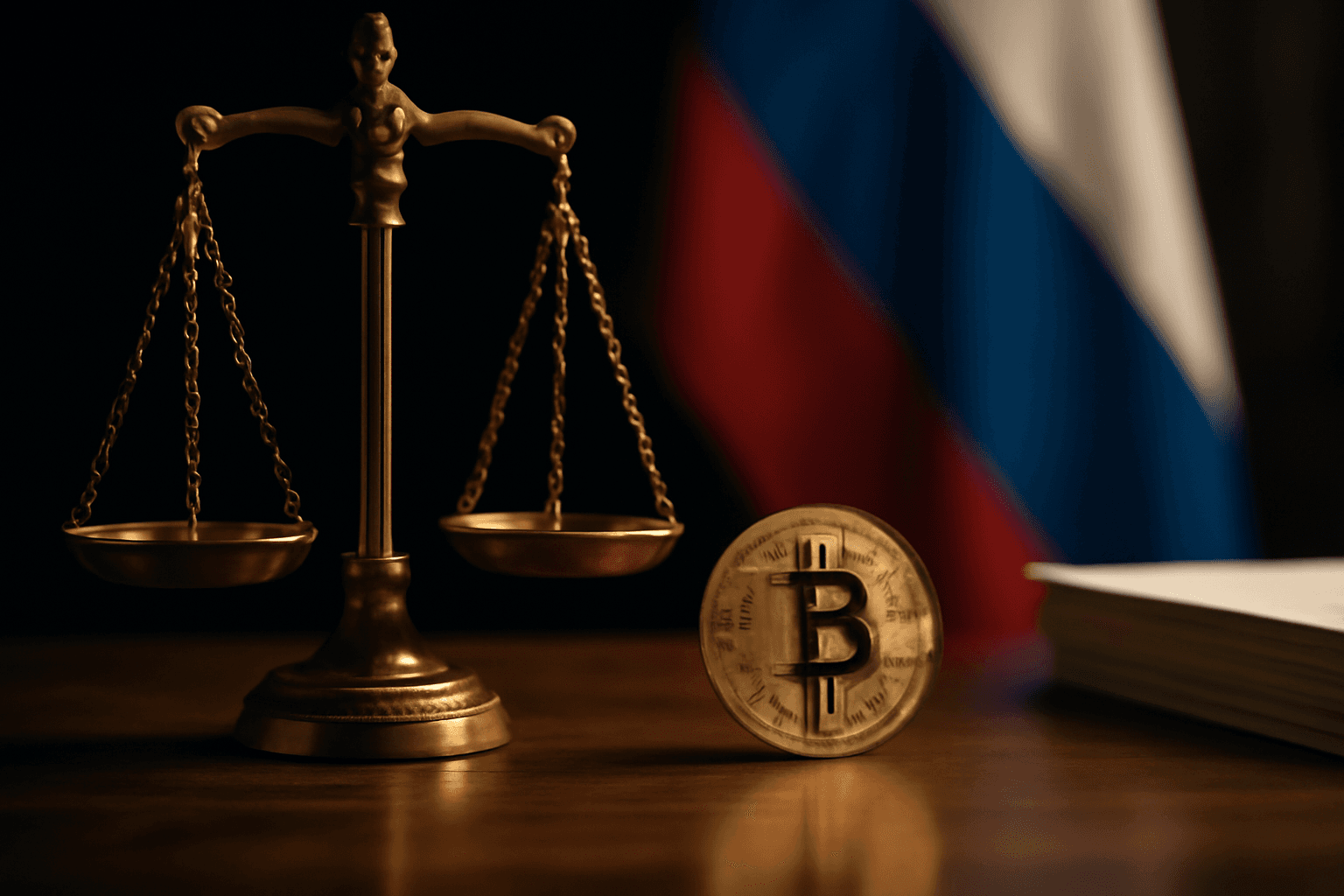
On July 21, Russia’s State Duma prepared to finalize a key crypto regulation after an overwhelming first reading approval by 327 deputies out of 340. This legislation, known as Draft Law No. 1194918-8, aims to legalize regulated cryptocurrency trading and cross-border settlements while maintaining strict limitations domestically.
Regulated Access with Caps and Supervision
The bill defines digital currencies as property and sets a framework for licensed operators including exchanges, brokers, and custodians under the Bank of Russia?s oversight. However, crypto payments for goods and services within Russia remain prohibited, preserving the ruble's primacy in domestic commerce. The rationale is clear: the government seeks to use crypto's potential for foreign trade, especially amid Western sanctions disrupting traditional banking channels, without risking the ruble?s role at home.
The Bank of Russia plans to impose an annual purchase cap for retail investors, tentatively set at 300,000 rubles ($3,800). This limit curtails mass market demand and aims to shield unqualified investors from volatility and risk, reserving broader access for qualified participants. The approach signals a cautious opening rather than wholesale liberalization, controlling retail exposure while nurturing institutional activity.
Market Impact and Compliance Challenges
Mining activities stay under Federal Tax Service control, separating oversight from the central bank and reflecting crypto?s multifaceted nature. For bitcoin traders, full market access hinges on licensing rules that could delay operations beyond the planned September 1 expansion. A notable shift from earlier drafts removes mandatory disclosure of individual wallet addresses, focusing instead on balances and transactions indicating a nuanced balance between transparency and privacy.
This legislation represents a strategic pivot for Russia?s crypto scene, enabling corporate players to utilize digital assets in international settlements a move that could increase adoption among businesses seeking alternatives to sanctioned financial systems. Yet, strict retail caps and domestic payment bans maintain tight reins, limiting speculative frenzy and preserving monetary sovereignty.
The unfolding regulatory environment should be closely monitored by investors, as it signals Moscow's attempt to integrate crypto within controlled boundaries rather than fostering an open market. For a broader context on how regulatory shifts and innovations influence the digital asset landscape, see why June?s economic signals blur prospects for Fed policy and crypto markets.
This material is for informational purposes and does not constitute financial advice.