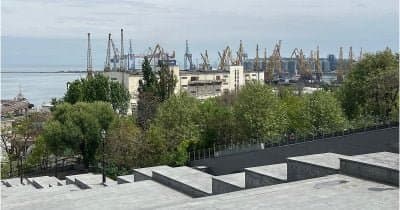
A recent missile strike by Russian forces on a cargo ship near Odesa in the Black Sea has resulted in the deaths of five crew members. The targeted vessel, flagged from Guinea-Bissau and transporting corn, had an international crew comprising Indian, Syrian, and Ukrainian nationals. This attack is more than an isolated incident: it signals an intensification of Russia’s effort to disrupt Ukraine’s grain exports and overall maritime trade routes, with significant implications for global maritime security.
The involvement of a neutral, international ship highlights a worrying escalation in the conflict. This act not only threatens ships directly involved in the Ukraine-Russia conflict but also puts at risk international commercial navigation in one of the world's key grain corridor waterways. Market participants are interpreting this as a clear indication of deteriorating regional stability, which feeds into risk premiums across shipping insurance and commodity markets.
Consequently, the attack affects more than just immediate logistics. Forecast models now show a diminished probability of a ceasefire between Russia and Ukraine by the end of 2026. This reflects rising military tensions, which cloud prospects for the recapture of Crimea by Ukraine within the same timeframe. The strike also suggests a strategic shift where Russia may use civilian and international maritime vulnerabilities to pressure Ukraine and its allies politically and economically.
Market and Geopolitical Impact
Investors and policymakers are closely watching for Ukraine’s potential military responses or strategic shifts following this incident. Any escalation in defensive or offensive measures in the Black Sea could heighten market volatility, particularly in commodities and shipping sectors. Observers are also awaiting diplomatic signals from international organizations such as the UN and NATO, which may influence the geopolitical calculus and market expectations concerning conflict resolution or escalation.
The targeting of neutral maritime actors underlines the complexities of modern geopolitical conflicts and their spillover effects on global trade and security frameworks. The incident in the Black Sea is a stark reminder that disruptions in regional conflicts can ripple widely, impacting investors and market stability far beyond the immediate warzone.
This material is informational and does not constitute financial advice.