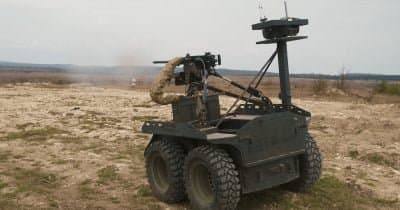
Ukraine's recent deployment of 25,000 unmanned ground vehicles (UGVs) in the Donbas region represents a pivotal moment in modern military strategy, signifying a transformative approach to combat that leverages technology to overcome traditional challenges. Amidst a protracted conflict with Russia, this shift aims to alleviate manpower shortages and enhance tactical capabilities, effectively signaling a move toward automated warfare.
The deployment has enabled Ukrainian forces to conduct over 50,000 missions in the first half of 2026 alone, considerably altering the landscape of military operations. The successful capture of a Russian stronghold through robotic and drone initiatives not only showcases the effectiveness of these unmanned vehicles but also underscores a significant strategic advantage that could reshape the dynamics of the ongoing conflict.
Market perceptions are beginning to reflect this new reality. The increased likelihood of Russian advances into strategic locations, such as Sloviansk, has been noted, with market pricing indicating a shift from a 58% to a 63% probability of Russian operations in the area by the end of the year. This could suggest that investors are keenly aware of the implications that automated warfare has on the conflict's progression.
As Ukraine continues to innovate with robotic forces, monitoring subsequent military strategies from both sides will be essential for understanding the evolving landscape of the conflict. Key indicators to watch include Russian troop movements toward Sloviansk and ongoing military buildup in nearby regions, which could significantly impact market responses related to territorial gains. Furthermore, the potential for ceasefire discussions or new international support for Ukraine may play a role in shaping future operations and market behaviors.
This analysis is informational and not financial advice.