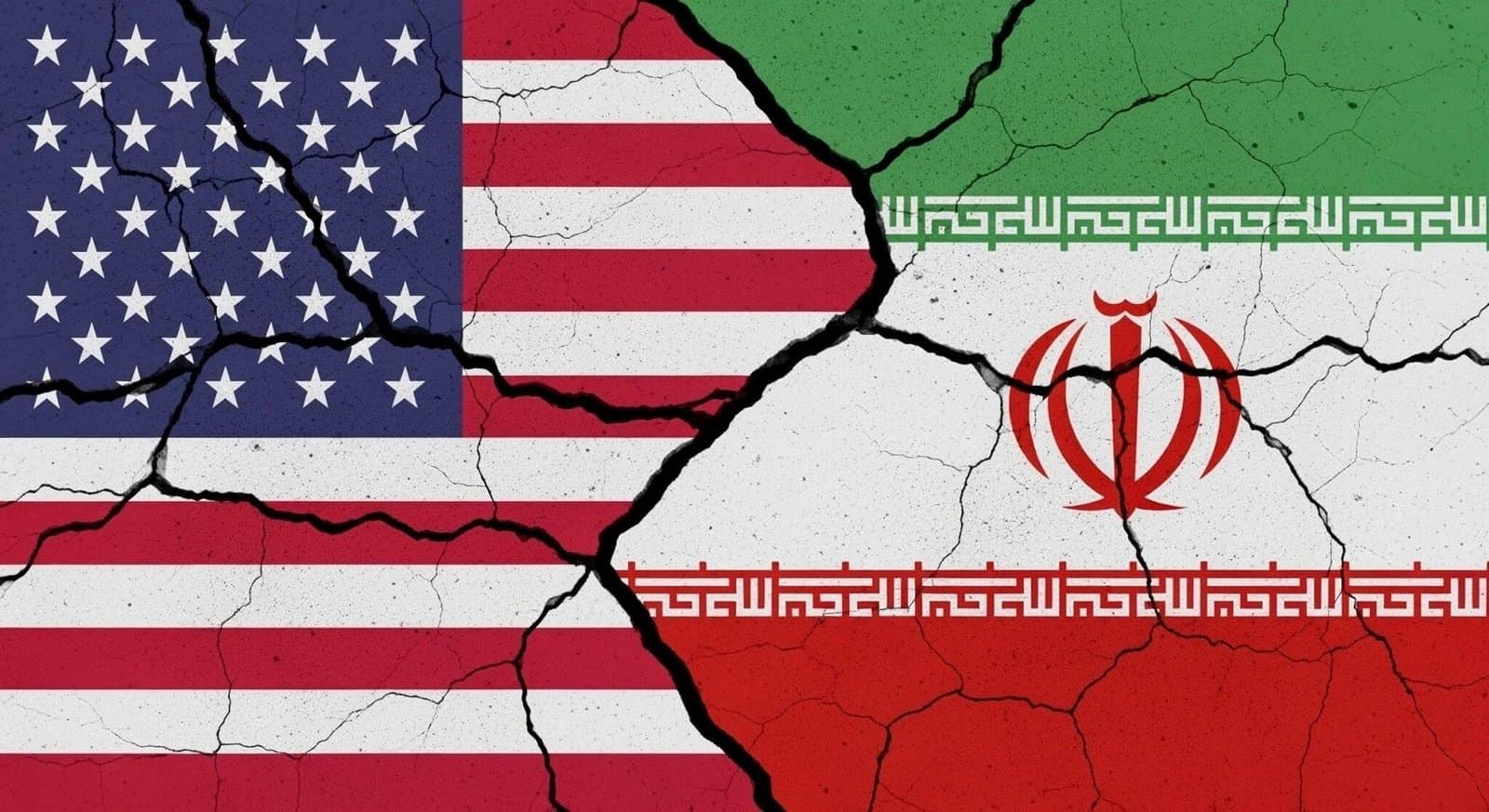
As diesel prices reach $5 a gallon, a 33% spike since the escalation of the Iran conflict, the implications for the economy are increasingly severe. This sharp increase is primarily the result of supply chain disruptions, particularly the closure of the Strait of Hormuz, a vital channel for global oil movement. The resulting inflationary pressure is extending beyond transportation, impacting agricultural sectors that rely heavily on diesel for equipment.
Geopolitical Tensions and Market Reactions
The surge in diesel prices coincides with rising Brent crude oil prices, which surged past $98 per barrel. Market predictions suggest we may witness new all-time highs in crude prices, a situation exacerbated by ongoing geopolitical tensions. These circumstances highlight the vulnerability of energy supplies to political conflicts, raising essential questions for investors and businesses alike.
Inflationary Pressures on Key Sectors
Increased diesel costs are driving inflation in multiple sectors. Trucking companies, which depend on diesel for transportation, are likely to pass on these costs to consumers, further inflating prices of goods. Similarly, agricultural operations are feeling the pinch, as higher fuel prices affect crop production and distribution costs. This situation necessitates a careful observation of potential policy shifts from key players such as OPEC and the International Energy Agency, which could offer solutions to the supply chain issues.
Market participants should remain vigilant about the evolving conflict in Iran. Any further escalations could disrupt oil supply chains even more, prompting rapid increases in fuel prices globally. Investors need to assess the likelihood of further price hikes in anticipation of these geopolitical developments, particularly as energy markets react to any signs of resolution or escalation. The current situation aligns closely with previous scenarios where geopolitical instability significantly influenced energy market dynamics, creating ripple effects across the broader economy.
This article is for informational purposes only and should not be considered financial advice.