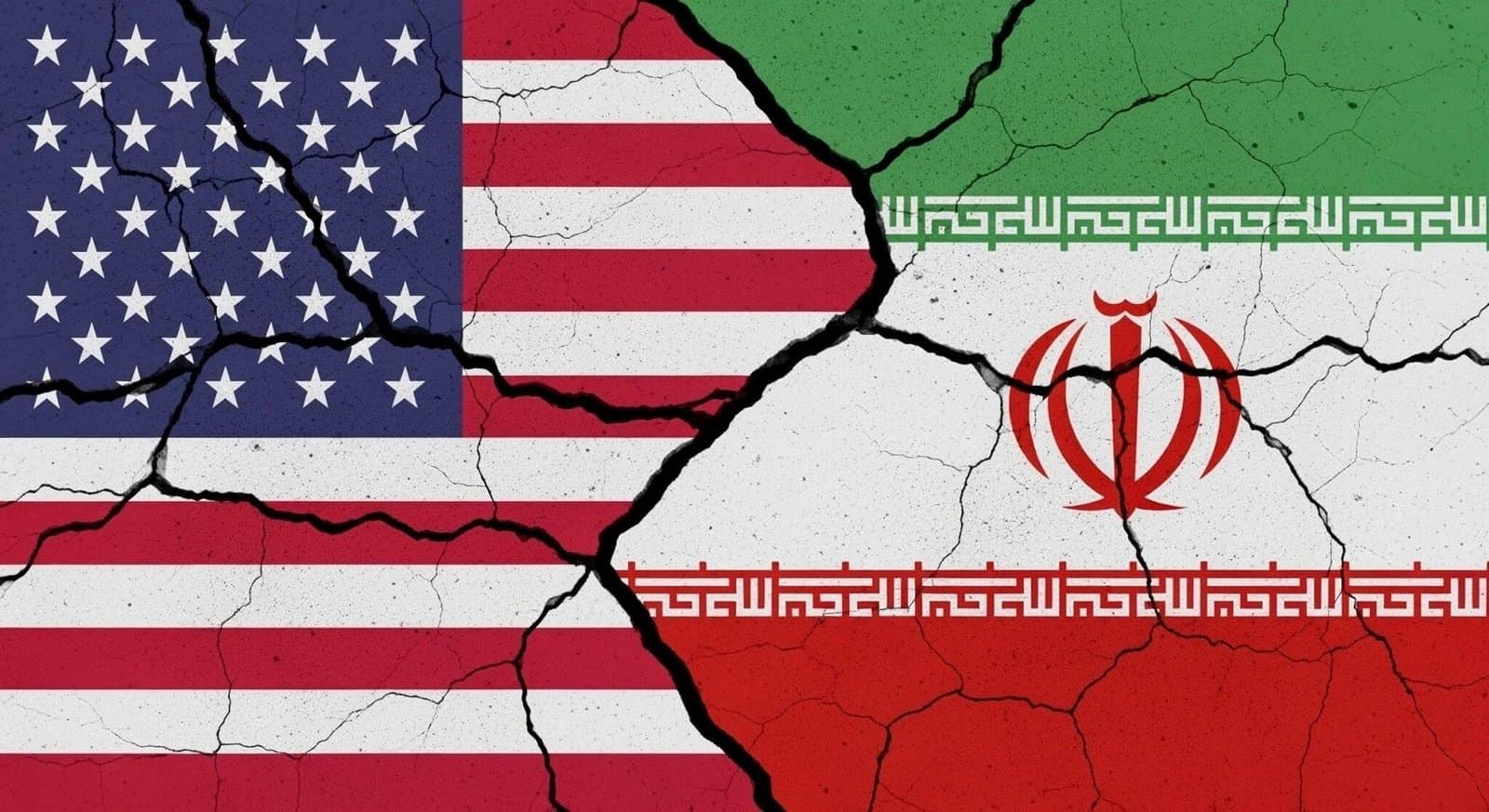
As tensions between the US and Iran resurface, traders anticipate a significant increase in gas prices, with a staggering 92% probability that they will surpass $4 per gallon by the end of July. This shift follows a brief period of price stability in June, during which a fragile ceasefire was in place.
The turning point came last week when the US ended the truce and initiated military strikes against Iran, targeting critical facilities near Bandar Abbas and Greater Tunb Island on July 15. These strikes were aimed at crippled Iranian missile, drone, and coastal surveillance capabilities, rekindling fears of rising fuel costs amid escalating conflict.
Iran's response has been swift and aggressive, with retaliatory attacks aimed at US interests in Bahrain, Kuwait, and Jordan. Furthermore, Tehran has declared a closure of the Strait of Hormuz, a vital oil route that regularly handles a significant portion of the world's oil supply. In addition, the US has reimposed a blockade on Iranian ports near the strait, further constricting the flow of oil. CENTCOM reported that US forces enforced naval blockade measures on July 15, disabling an unladen oil tanker destined for Iranian ports.
Impact on Oil Markets
The rising military tensions have already resulted in a notable uptick in crude oil prices. As of July 14, Brent crude reached an intraday high of $86, marking a nearly 16% increase since July 7. Similarly, West Texas Intermediate (WTI) crude prices have surged over 15%. This price growth suggests that rising crude oil costs will inevitably push gasoline prices upward in the near future.
Market sentiment reflects these expectations, as Kalshi traders currently assign a 92% likelihood that gas prices will exceed $4 per gallon by the end of July. The market also indicates a 60% chance of prices reaching $4.10 and a 36% chance of reaching $4.20. However, traders on Polymarket remain more conservative, providing only a 57% probability of gasoline hitting the $4 mark.
These predictions come after a period of retreating gasoline prices, where the national average had reached a peak of $4.52 per gallon in May, reflecting a drastic 51.6% increase from pre-war levels of $2.98. Currently, the national average stands at $3.89 per gallon, up from lows of around $3.79 earlier in July.
Market Outlook
As the situation unfolds, whether gas prices will soar further largely depends on the trajectory of the ongoing conflict. Recent polling indicates that 79% of Americans anticipate the war to continue, and six out of ten believe gasoline prices will rise over the next year. This sentiment suggests that consumers and investors alike are bracing for a tumultuous period ahead, reminiscent of past conflicts that have spiked energy prices.
This article is intended for informational purposes only and does not constitute financial advice.