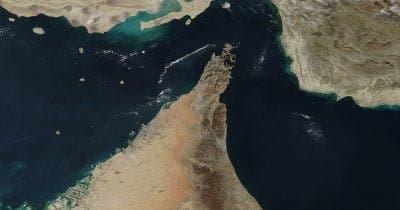
The recent announcement by the United States to reinstate a blockade in the Strait of Hormuz is a significant escalation in the ongoing tensions between the US and Iran. This move, triggered by the collapse of a ceasefire and Iranian attacks on commercial shipping, underscores the fragility of peace in a region that is pivotal for global oil transport.
Implications for Global Oil Supply
The Strait of Hormuz is a critical maritime corridor, facilitating approximately 20% of the world’s oil shipments. As the US seeks to cut off Iran’s oil revenues by limiting its access to this artery, the implications for global oil supply could be substantial. The blockade not only threatens Iran's economic stability but also raises concerns among global markets about potential price surges. With the likelihood of normal traffic resuming at a mere 0.4% by mid-July, as indicated by market pricing, the region is poised for potential supply shocks. Such volatility often translates into heightened prices for consumers and businesses that depend on oil.
Market Reactions and Future Watchpoints
Financial markets are reacting to this geopolitical development, with analysts suggesting a significant probability that fewer ships, less than 150, will traverse the Strait between July 6 and July 12. The current odds stand at 63.2% against normalization of shipping traffic. Investors should keep a close eye on subsequent military actions from both nations, which could dictate the blockade's duration. Furthermore, any signs of diplomatic action or lack thereof will be crucial in shaping the future of shipping in this vital economic corridor.
In light of these developments, stakeholders must remain vigilant. Observing government statements from both the US and Iran will provide insight into the evolving conflict and its potential repercussions for oil markets worldwide. The dynamics in Hormuz are more than just a flashpoint; they represent a critical factor in the broader geopolitical and economic landscape.
This article is for informational purposes only and is not financial advice.