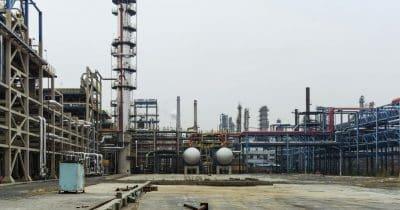
On July 7, 2026, the US Treasury Department revoked its short-lived authorization for Iran to sell oil and petrochemical products. This move came in response to attacks on commercial vessels in the Strait of Hormuz, a critical passage for global oil supply. The decision marks a significant shift in the sanctions landscape, with immediate ramifications for both traditional energy and cryptocurrency markets.
Why This Matters
This revocation underscores the escalating tensions between the US and Iran, and its broader implications resonate beyond just oil transactions. The situation highlights the volatility inherent in energy markets, particularly given the strategic importance of the Strait of Hormuz. Oil prices spiked approximately 5-6% in response to the news, a movement that can ripple through various sectors, including airline stocks and consumer inflation projections.
- Crude oil prices surged by 5-6%.
- The initial license was granted on June 22, 2026.
- The wind-down period for existing transactions ends on July 17, 2026.
This latest round of sanctions also indicates a more comprehensive approach by the US to exert economic pressure on Iran. The targeting of the Iranian cryptocurrency exchange Nobitex in early June, due to its alleged ties to the Islamic Revolutionary Guard Corps, reflects a growing awareness of the role of digital currencies in bypassing traditional financial restrictions. This could raise compliance costs for exchanges globally as they enhance screening to avoid falling into similar sanctions traps.
Potential Market Impacts
The immediate aftermath of these sanctions is heavily focused on energy, with traders watching closely for how the dynamics unfold leading up to the July 17 deadline. Energy traders now have this date highlighted on their calendars, as the outcomes could significantly influence risk appetite in the oil market for the rest of the year.
Moreover, the intersection of energy prices and cryptocurrency suggests that investors across both sectors need to remain vigilant. With potential further sanctions on Iranian entities or cryptocurrency infrastructures, we could see a cascading effect that influences not only oil prices but also the broader crypto market, as investor sentiment begins to reflect these geopolitical risks.
What to Watch Next
As we approach the deadline for the wind-down period, all eyes will be on how energy markets react. Any further escalations in conflict or additional sanctions could send shockwaves not only through oil prices but could also impact global cryptocurrency operations. Investors in both sectors should prepare for possible volatility as geopolitical tensions evolve, keeping abreast of news and developments.
This material is for informational purposes only and does not constitute financial advice.