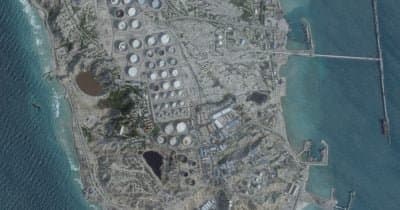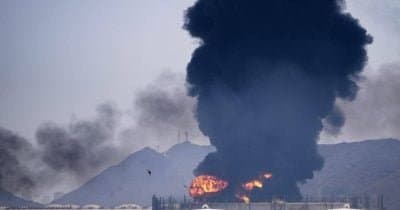
Recent satellite imagery has unveiled extensive damage to U.S. military bases in the Gulf region, specifically in Kuwait, Bahrain, and Qatar, following Iranian missile strikes. This situation underscores a significant escalation in military tensions between the U.S. and Iran, amidst ongoing hostilities in the 2026 Iran War. The reported impact includes damage to over 20 structures and pieces of military equipment, which is notably greater than the official damage assessments provided by U.S. authorities. The Iranian missile attacks are viewed as retaliatory measures in response to recent U.S. airstrikes that targeted commercial vessels in the vital Strait of Hormuz, a crucial maritime corridor for global oil shipments.
The implications of this military exchange extend beyond immediate military concerns and into the geopolitical landscape. As the conflict intensifies, market analysts are beginning to interpret these developments as indicative of a decreasing likelihood for inspections of Iranian nuclear sites by the International Atomic Energy Agency (IAEA). Such inspections have been a critical aspect of international negotiations regarding Iran's nuclear program and its compliance with global regulations. The current market pricing reflects a notable reduction in the perceived probability of favorable outcomes regarding IAEA access to these sites, suggesting that investors are recalibrating their expectations in light of the latest military actions.
Attention is now shifting towards how further developments in U.S.-Iran relations might influence market dynamics, particularly regarding IAEA inspections. The potential for additional military actions by the U.S. or its allies, including Israel, could further complicate the situation, impacting not just the geopolitical landscape but also investor confidence in regions heavily reliant on stability in the Gulf. Statements from Iranian officials regarding their security conditions will be pivotal; any indication of increased hostility could deter IAEA access, causing broader ramifications for international diplomatic efforts.
This ongoing situation, along with potential developments from organizations like the UN Security Council, may play a critical role in shaping market perceptions and investor sentiment. As observed in the context of how geopolitical tensions influence market dynamics, particularly in the realm of cryptocurrencies, the fallout from these military strikes could indeed resonate through various sectors of the economy.
This material is informational and should not be considered financial advice.