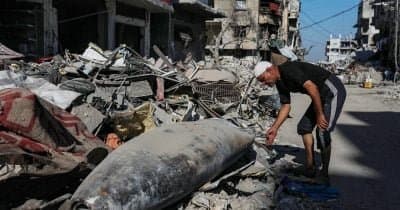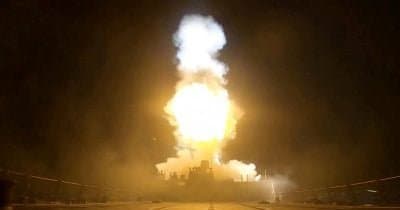
The ongoing US-Iran conflict has taken a dangerous turn following the collapse of a ceasefire, with Iran launching missiles and drones targeting US military bases in Jordan and Bahrain. This escalation marks a significant shift from prior limited exchanges, raising concerns about the potential for a broader regional conflict.
The strikes, which hit strategic locations such as Jordan’s Prince Hassan Air Base and Bahrain’s US Fifth Fleet, highlight the increasing complexity of the situation in the Gulf. These developments are not merely tactical; they carry substantial implications for global security and economic stability.
Implications of Escalating Hostilities
The intensified military actions come on the heels of large-scale US strikes on Iranian territory, suggesting a rapid deterioration in relations and a reduced likelihood of diplomatic resolutions. The prospect of a US-Iran deal by the end of 2026 appears dim, particularly as market indicators reflect decreasing confidence in Iran’s willingness to agree to critical terms, such as uranium enrichment caps.
Moreover, the ongoing military exchanges could signal an increased probability of further conflict, suggesting that the region may face prolonged instability. This not only affects local populations but also has wider ramifications that could disrupt global markets, particularly in energy sectors.
As the situation evolves, it is essential to monitor key players like US President Donald Trump, whose decisions may significantly influence military strategies and negotiations. Additionally, the roles of mediators from nations like Qatar and Pakistan could become crucial in any renewed diplomatic efforts.
In summary, the trajectory of these recent hostilities could redefine the geopolitical landscape of the Gulf, making it imperative for global investors and policymakers to stay vigilant regarding developments in this critical region.
This material is informational and does not constitute financial advice.