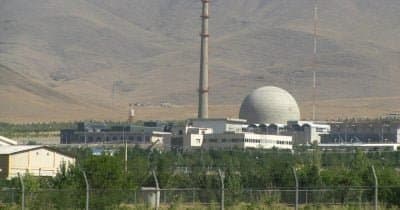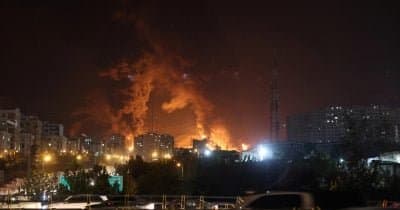
Recent reports of multiple explosions in southwestern Iran have raised alarms regarding the potential escalation of military tensions in the region. These incidents, primarily affecting areas around Behbahan and Ahvaz in Khuzestan province, come at a time when Iran's air force is showing increased military readiness, as evidenced by the scrambling of jets from Vahdati Air Base. While local authorities have downplayed damage claims, the social media buzz surrounding these explosions suggests a much grimmer scenario.
The context of these explosions is critical. They emerge from a backdrop of ongoing conflicts involving Iran, the United States, and Israel, with hostilities escalating despite a fragile ceasefire established in June. The geopolitical implications are significant, especially considering how such military activities could impact regional security dynamics and global energy markets.
Implications for Airspace and Global Markets
One of the most pressing consequences of these developments is the potential for Iran to close its airspace. Markets are acutely sensitive to changes in air travel accessibility, particularly in a region where geopolitics play a vital role in the supply of oil. If the Civil Aviation Organization of Iran moves to enforce an airspace closure, it could send shockwaves through global energy markets. Investors are observing these dynamics closely; the likelihood of heightened military threats is already reflected in current market pricing.
What to Watch Going Forward
As the situation develops, stakeholders will be closely monitoring for any official announcements from Iranian authorities related to airspace status. Significant indicators that could suggest a full airspace closure would include official NOTAMs and press releases. Conversely, any moves towards de-escalation or statements indicating a reduction in military activities from either the U.S. or Iran would provide critical insights into the potential for maintaining open airspace.
In the coming days, updates regarding military actions in the area will likely influence market behavior significantly. The ripple effects of these tensions extend beyond regional implications; shifts in Iranian airspace policy could affect global supply chains, highlighting the interconnectedness of military actions and economic outcomes.
This article is for informational purposes only and does not constitute financial advice.