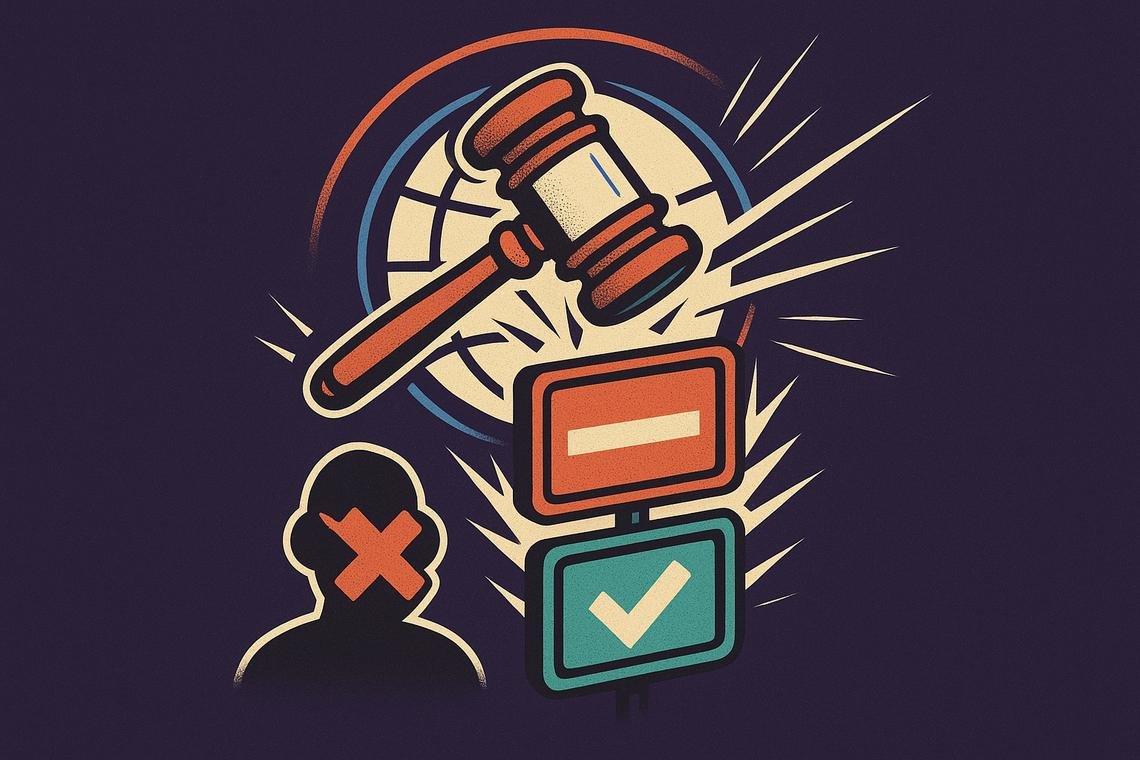
The suggestion made by the UK's Financial Conduct Authority (FCA) to consider regulating general-purpose AI models like ChatGPT and Claude raises critical questions for the financial sector, particularly for cryptocurrency firms. This potential shift in regulation aligns with increasing scrutiny over how AI technologies are integrated into financial services and could result in sweeping changes that impact firms reliant on these technologies.
Implications of Regulating AI Models
The FCA's approach signifies a nuanced transition from merely regulating the application of AI in financial services to considering the regulation of the AI models themselves. This distinction can be likened to regulating the machinery behind a vehicle rather than just the driver. Such a regulatory framework could mandate compliance measures not only for those companies deploying AI but also for the developers of these AI systems. This broader scope could impose significant liabilities and responsibilities on AI developers and users alike.
Consumer Protection and Responsibility Concerns
As highlighted in the FCA's existing frameworks like the Consumer Duty and the Senior Managers and Certification Regime, the question of accountability looms large. If an AI-powered system provides flawed financial advice leading to consumer loss, determining culpability becomes complex. Is it the company utilizing the AI, the executive approving its use, or the entity that developed the model? This ambiguity necessitates a clearer regulatory landscape to protect consumers while fostering innovation in financial services.
The UK’s Unique Regulatory Landscape
In a broader context, this potential regulatory shift may indicate the UK’s commitment to maintaining an innovation-friendly environment, contrasting with the EU’s stringent approach as encapsulated in the EU AI Act. The FCA's AI Lab and recent initiatives like the AI Live Testing pilot reflect a strategic attempt to create a sandbox for AI innovation. However, with growing pressures from lawmakers for explicit guidelines on AI use within financial services, the FCA may soon be compelled to provide clarity over these emerging compliance requirements.
The Impact on Crypto Firms
Cryoto companies leveraging AI for customer engagement or financial decision support cannot afford to ignore the FCA's potential regulatory changes. With the regulatory landscape gearing up for more stringent oversight, crypto firms might face new compliance responsibilities that could impact their operational frameworks significantly. The evolution of these regulations may also signal upcoming challenges and opportunities, shaping the way companies incorporate AI within their services. For a sector still navigating regulatory uncertainties, staying ahead of these changes will be crucial for maintaining trust and ensuring lasting consumer protection how AI missteps by Coinbase could shape user trust.