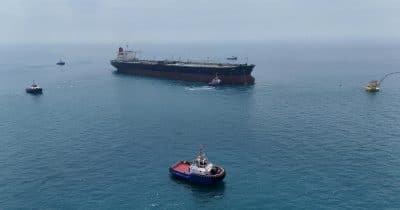
The recent surge in oil prices, driven by renewed strikes in the Strait of Hormuz, highlights not only the immediate risks to energy markets but also the broader implications for global trade and cryptocurrency demand. On July 7, 2026, oil prices jumped nearly 3%, with Brent crude reaching between $74 and $76 per barrel. Attacks attributed to Iran’s Islamic Revolutionary Guard Corps on vessels such as the Qatari LNG tanker Al-Rekayat and the Saudi supertanker Wedyan have reignited fears about the security of this critical shipping lane, which facilitates approximately 20-25% of the world's seaborne oil and LNG trade.
Understanding the Current Crisis and Its Implications
This latest wave of aggression is not a standalone event; it is emblematic of a larger crisis that has been unfolding since late February 2026, following US and Israeli military actions against Iran. This ongoing conflict has led to a host of aggressive maneuvers from Iranian forces, including attacks on shipping and threats that have created what analysts refer to as the most significant energy supply shock since the 1970s. These developments suggest a precarious future for oil prices and global supply.
- Brent crude soared above $100 per barrel at previous crisis peaks.
- Recent intraday price swings reached as high as 5% before stabilizing.
- The US issued military retaliations following the July 7 strikes and revoked a waiver allowing limited Iranian oil sales.
Given these factors, the potential for continued volatility in oil prices is high, with Asian economies, which are significantly dependent on Gulf energy imports, poised to face the most immediate repercussions.
The Unforeseen Crypto Connection
Intriguingly, Iran has begun demanding cryptocurrency payments, primarily in Bitcoin, for safe passage through the Strait during ceasefires, reportedly charging around $1 per barrel. This practice not only adds a new layer to the geopolitical tensions but could also influence Bitcoin's market dynamics. As shipping companies adjust by rerouting their vessels around the Cape of Good Hope, delivery times are extended, further complicating energy supply chains.
Looking Ahead: What to Monitor
As we continue to assess the unfolding situation, several key areas warrant attention: the anticipated military responses from the US and allies, the potential for further Iranian aggression, and changes in global shipping patterns. The intersection of energy and cryptocurrency could lead to new strategies for financing amidst conflict, and investors should remain vigilant regarding evolving market conditions.
This material is for informational purposes only and does not constitute financial advice.