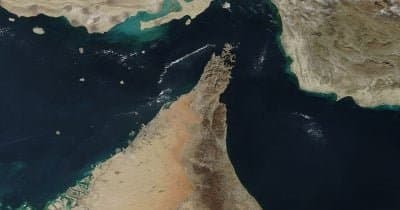
The United States is accelerating efforts to develop oil pipelines across the Mediterranean, aiming to sidestep the Strait of Hormuz amid escalating tensions with Iran. This strategic pivot reflects a response to the ongoing restrictions on maritime traffic through this vital chokepoint, where geopolitical conflict has significantly raised risks for energy transportation.
Strategic Implications for Energy Supply Chains
The Strait of Hormuz accounts for a substantial proportion of the world’s oil transit, making it a focal point of global energy security. Recent U.S. initiatives to promote the Kirkuk Baniyas pipeline emphasize a deliberate move to reduce dependence on maritime routes vulnerable to Iranian influence and military actions. By boosting Iraqi energy exports through land-based alternatives, Washington seeks to mitigate the use Iran holds over oil flows and stabilize regional markets.
However, the new pipeline corridors are not immune to security threats. Iranian missile and drone capabilities pose ongoing risks, potentially disrupting these alternative routes despite their geographic separation from Hormuz. The persistence of hostilities, including the U.S.-Israel air conflict with Iran and the dual blockade affecting both naval operations and transit freedoms, suggests that these tensions may sustain a prolonged period of uncertainty.
Market Consequences and Indicators to Watch
Current oil market pricing reflects skepticism about a swift normalization of Strait of Hormuz traffic, with probabilities trending against a resolution before the end of August. Investors and analysts should closely monitor communications from Iranian and U.S. leadership, especially any signals of either escalation or negotiation. Speeches, military deployments, and UN updates serve as critical barometers for anticipating shifts in the geopolitical landscape.
- Pipeline construction progress and security incidents along new routes
- Official statements regarding peace initiatives or military actions
- International diplomatic efforts influencing regional stability
Given the potential for prolonged disruption, the global oil market may increasingly price in alternative supply routes, impacting energy prices and investment flows. This development also shows the broader intersection of geopolitical risks with energy infrastructure resilience, a theme mirrored in recent regional conflicts that affect crypto and financial markets.
This material is informational and does not constitute financial advice.